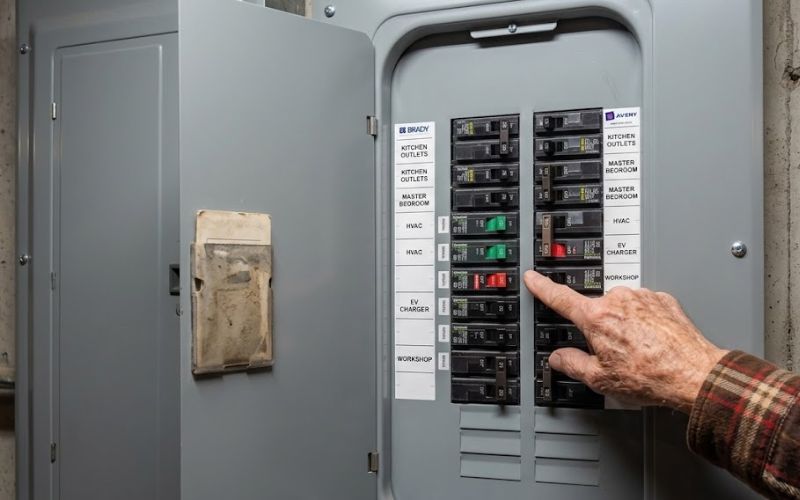
A tripped circuit breaker can be frustrating, especially when it happens more than once. Many homeowners simply walk to the electrical panel, flip the breaker back on, and continue with their day. While resetting a breaker occasionally is normal, repeatedly resetting the same breaker can be a sign of a much larger electrical problem.
Ignoring the issue may lead to damaged appliances, costly repairs, or even electrical fires. Understanding why breakers trip and when to call a professional can help keep your home safe and your electrical system working properly.
In this guide, we’ll explain what causes circuit breakers to trip, whether it’s safe to keep resetting them, and when it’s time to consider professional Circuit Breaker Repair or an Electric Panel Upgrade.
What Does a Circuit Breaker Do?
A circuit breaker is a safety device designed to protect your home’s electrical system. It monitors the flow of electricity through a circuit and automatically shuts off power when it detects a problem.
Think of a breaker as a security guard for your electrical system. When too much electricity flows through a circuit or a fault occurs, the breaker trips to prevent overheating, damaged wiring, and potential fire hazards.
Without circuit breakers, electrical problems could quickly become dangerous.
Why Do Circuit Breakers Trip?
Before deciding whether to reset a breaker repeatedly, it’s important to understand why it tripped in the first place.
1. Overloaded Circuit
One of the most common causes is an overloaded circuit.
This happens when too many devices are drawing power from the same circuit at the same time. For example, running a microwave, coffee maker, and toaster on a single kitchen circuit may exceed its capacity.
When the electrical load becomes too high, the breaker trips to protect the wiring from overheating.
2. Short Circuit
A short circuit occurs when a hot wire comes into contact with a neutral wire. This creates a sudden surge of electrical current that can generate significant heat.
Short circuits are more serious than simple overloads and often indicate damaged wiring, faulty outlets, or defective appliances.
3. Ground Fault
A ground fault happens when electricity finds an unintended path to the ground. These faults commonly occur in areas where moisture is present, such as bathrooms, kitchens, garages, and outdoor outlets.
Ground faults can create shock hazards and should be addressed immediately.
4. Faulty Appliances
Sometimes the issue isn’t the breaker itself but an appliance connected to the circuit.
Old refrigerators, air conditioners, space heaters, and other high-demand appliances can develop electrical problems that repeatedly trip breakers.
5. Aging Electrical Panels
Older electrical panels may struggle to meet the demands of modern households.
Many homes built decades ago were designed before the widespread use of home offices, large entertainment systems, EV chargers, and multiple smart devices.
As electrical demand increases, older panels can become overloaded and cause frequent breaker trips.
Is It Safe to Reset a Tripped Breaker?
The answer depends on how often it happens.
If a breaker trips once due to a temporary overload and stays on after being reset, it’s usually not a major concern.
However, if the same breaker trips repeatedly, resetting it over and over is not safe.
The breaker is doing its job by alerting you that something is wrong. Continuously resetting it without identifying the cause can increase the risk of:
- Electrical fires
- Damaged wiring
- Appliance damage
- Electrical shocks
- Panel overheating
A breaker that keeps tripping is essentially sending a warning signal that should not be ignored.
What Happens If You Keep Resetting It?
Many homeowners assume that if the breaker turns back on, the problem is solved.
Unfortunately, that’s not always true.
Repeatedly resetting a breaker can mask a serious issue and allow damage to worsen over time.
Increased Heat Buildup
When a circuit repeatedly overloads, wires can overheat behind walls where the damage is not visible.
Excessive heat may weaken insulation and increase the likelihood of an electrical fire.
Damage to the Breaker
Circuit breakers are designed to trip when necessary, but excessive tripping can eventually wear out internal components.
A weakened breaker may fail to trip when it should, creating a significant safety risk.
Electrical Fire Risk
According to fire safety experts, faulty electrical systems are a common cause of residential fires.
Ignoring frequent breaker trips can allow dangerous conditions to continue unnoticed.
Expensive Repairs Later
A small electrical issue today can become a much larger and more expensive repair if left unresolved.
Addressing the root cause early often saves homeowners money in the long run.
Signs You Need Professional Circuit Breaker Repair
There are several warning signs that indicate professional attention is needed.
The Breaker Trips Frequently
If you find yourself resetting the same breaker every few days or weeks, there is likely an underlying issue.
Burning Smells
A burning odor near the electrical panel should never be ignored.
This could indicate overheating wires, damaged breakers, or loose connections.
Hot Electrical Panel
Your breaker panel should not feel excessively warm to the touch.
Heat buildup often points to overloaded circuits or failing electrical components.
Buzzing Sounds
Electrical panels should operate quietly.
Buzzing, crackling, or humming sounds may indicate loose wiring or internal breaker damage.
Visible Damage
Scorch marks, melted insulation, rust, or corrosion around the panel are all signs that professional repairs are needed immediately.
When Is an Electric Panel Upgrade Necessary?
Sometimes the problem goes beyond a single breaker.
If your home’s electrical panel is outdated, repairing individual breakers may only provide a temporary solution.
An Electric Panel Upgrade may be recommended if:
- Your panel is more than 25 years old
- You still have a fuse box
- Breakers trip frequently
- Lights dim when appliances start
- You’re installing an EV charger
- You’re adding new appliances
- You’re renovating your home
- The panel lacks available circuit space
Modern electrical panels provide greater capacity, improved safety, and better support for today’s electrical demands.
Benefits of Upgrading Your Electrical Panel
Improved Safety
New panels offer enhanced protection against overloads, short circuits, and electrical faults.
Increased Capacity
Modern households use significantly more electricity than homes did decades ago.
A panel upgrade ensures your system can handle today’s power requirements.
Better Appliance Performance
Insufficient electrical capacity can affect appliance performance.
A properly sized panel helps appliances operate more efficiently and reliably.
Increased Home Value
Potential buyers often view updated electrical systems as a valuable feature.
An upgraded panel can improve your home’s appeal and marketability.
Support for Future Upgrades
Whether you’re planning a home addition, EV charger installation, or smart home technology upgrades, a modern electrical panel provides the capacity needed for future growth.
What Should You Do After a Breaker Trips?
If a breaker trips, follow these steps:
Step 1: Turn Off Appliances
Unplug or switch off devices connected to the affected circuit.
Step 2: Inspect for Obvious Issues
Look for damaged cords, burned outlets, or signs of overheating.
Step 3: Reset the Breaker Once
Move the breaker fully to the OFF position before switching it back ON.
Step 4: Monitor the Circuit
If the breaker remains on, the trip may have been caused by a temporary overload.
Step 5: Call an Electrician if It Trips Again
If the breaker trips repeatedly, professional diagnosis is the safest solution.
Why Homeowners Choose Professional Circuit Breaker Repair
Electrical systems can be complex, and diagnosing breaker problems often requires specialized testing equipment and expertise.
Professional electricians can:
- Identify overloaded circuits
- Locate hidden wiring issues
- Test breaker performance
- Inspect electrical panels
- Recommend safety improvements
- Perform code-compliant repairs
Attempting DIY electrical repairs can create serious safety risks and may not address the actual cause of the problem.
Trusted Circuit Breaker Repair and Electric Panel Upgrade Services
If you’re experiencing frequent breaker trips, don’t ignore the warning signs.
At Solid Power Inc., we provide professional Circuit Breaker Repair and Electric Panel Upgrade services for homeowners throughout Hialeah and the surrounding areas.
Our licensed electricians thoroughly inspect your electrical system, identify the root cause of breaker issues, and recommend safe, long-term solutions. Whether you need a single breaker replaced, overloaded circuits corrected, or a complete panel upgrade, our team delivers reliable workmanship and exceptional customer service.
We focus on safety, efficiency, and helping homeowners avoid costly electrical problems before they become emergencies.
Final Thoughts
Resetting a tripped breaker once is usually safe. However, repeatedly resetting the same breaker is not a solution. Frequent breaker trips are often warning signs of overloaded circuits, faulty wiring, damaged appliances, or an outdated electrical panel.
Instead of ignoring the issue, take the opportunity to identify the root cause and protect your home from potential hazards.
If your breaker keeps tripping, professional Circuit Breaker Repair or an Electric Panel Upgrade may be the safest and most cost-effective solution. Addressing the problem early can improve electrical safety, prevent expensive repairs, and provide peace of mind for years to come.

Author