Your home’s electrical safety depends on proper overcurrent protection. Many homeowners wonder about the real differences between these systems. Understanding circuit breakers and fuse boxes helps you make informed decisions. Let me break down everything you need to know today.
Understanding Your Home Electrical Panel
Every residential electrical panel serves as your home’s electrical command center. It distributes power throughout your house via branch circuits safely. The main breaker panel controls electricity flowing into your property daily. Your service disconnect protects against dangerous electrical overloads and short circuits.
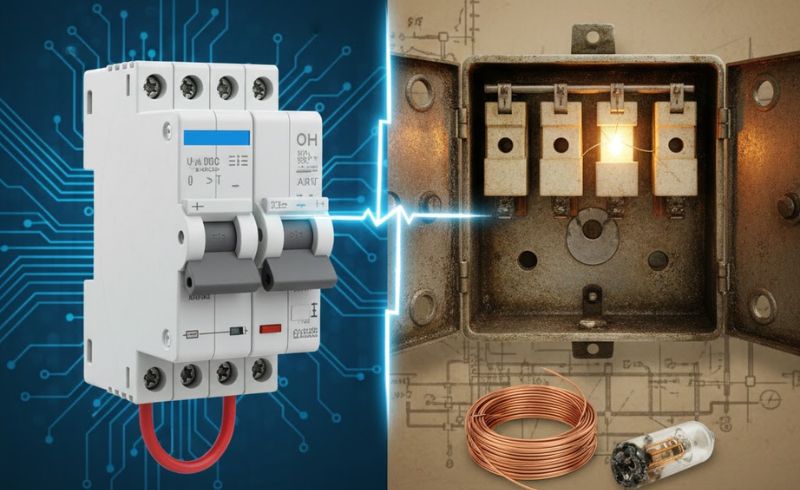
Modern homes typically use circuit breaker panels for power distribution. Older properties often still have fuse boxes protecting their wiring systems. Both systems prevent electrical fires by stopping dangerous power overloads quickly. However, their methods of protection differ significantly in several ways.
What Is a Fuse Box?
A fuse box contains multiple fuses that protect individual circuits. Each fuse has a thin metal wire inside its body. When power overload occurs, this wire melts and breaks the connection. This stops the electricity flow immediately to prevent dangerous electrical hazards.
Fuses are one-time-use devices that require complete replacement afterward. You cannot simply reset a blown fuse like modern alternatives. The fuse box was the standard electrical service panel decades ago. Many homes built before the 1960s still use this technology.
How Fuses Work
The metal strip inside carries your circuit’s normal electrical current. Excessive amperage causes the strip to heat up very rapidly. Eventually, the strip melts completely and creates a power interruption. This prevents overheating that could damage wiring or cause fires.
Different fuses handle different voltage and amperage ratings for circuits. Common residential fuses range from 15 to 30 amps, typically. The load center distributes power through these protective fuse devices. Proper fuse selection ensures adequate overload protection for your home.
What Is a Circuit Breaker Panel?
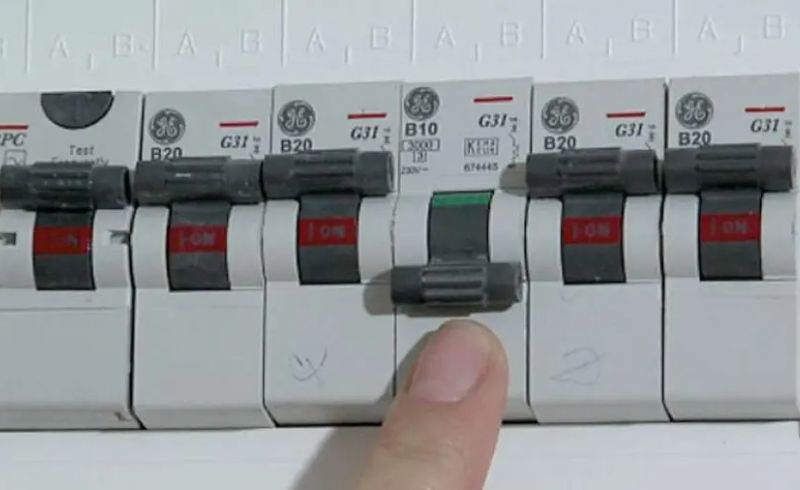
A breaker panel uses mechanical switches instead of disposable fuses. These switches automatically “trip” when they detect electrical faults or overloads. You can simply reset a tripped breaker by flipping it. This reusable protection saves money and offers greater convenience overall.
Modern circuit breaker panels meet current National Electrical Code requirements. They provide superior protection compared to outdated electrical panel technology. The bus bar inside distributes power to individual branch circuits. Each circuit breaker monitors its assigned circuit for safety issues.
How Circuit Breakers Work
Circuit breakers use electromagnetic or thermal mechanisms for fault detection. When the current exceeds safe levels, the internal mechanism trips. The switch moves to the “off” position automatically and safely. This stops power flow just like a blown fuse would.
After fixing the underlying problem, you can restore power easily. Simply flip the breaker switch back to the “on” position. This reusable feature makes breakers far more convenient than fuses. No replacement parts are needed for basic overload situations.
Key Differences Between Circuit Breaker Panel vs Fuse Panel
Reset vs Replacement
Circuit breakers offer instant reset capability after tripping occurs safely. Fuses require purchasing and installing new replacement units every time. This makes breakers more convenient and cost-effective for long-term use. You don’t need to keep spare fuses in stock.
Safety Features
Modern breaker panels include AFCI and GFCI protection for safety. These features detect arc faults and ground faults automatically. Old fuse boxes lack these advanced electrical safety protections entirely. They only provide basic overload protection for connected circuits.
System Capacity
Today’s energy demand far exceeds what older systems handled. Most fuse boxes provide only 60 amps of total power. Modern homes need 100 to 200 amp electrical systems. Circuit breaker panels easily accommodate higher amperage requirements and loads.
Code Compliance
The National Electrical Code requires specific safety standards for installations. Fuse boxes don’t meet current electrical code compliance in renovations. Licensed electricians must upgrade systems during major electrical work. Circuit breaker panels satisfy modern safety standards and regulations completely.
Comparison Table: Circuit Breaker vs Fuse Box
| Feature | Circuit Breaker Panel | Fuse Box |
| Protection Method | Reusable mechanical switch | One-time use metal wire |
| Reset Capability | Simple flip to reset | Must replace the blown fuse |
| Typical Capacity | 100-200 amps | 30-60 amps |
| AFCI Protection | Yes, built into breakers | No protection available |
| GFCI Protection | Yes, available for circuits | No protection available |
| Code Compliance | Meets current NEC standards | Outdated for new work |
| Installation Cost | $1,500-$4,000 upgrade | $50-$200 per replacement |
| Lifespan | 25-40 years | Indefinite until blown |
| Convenience | Very high convenience | Low, needs spare fuses |
| Fire Risk | Low with proper use | Higher with outdated wiring |
| Insurance Impact | May lower premiums | May increase rates |
Old Fuse Box vs New Breaker: Performance Comparison
Older fuse boxes simply can’t handle modern electrical system capacity. They weren’t designed for today’s electronics and appliance power needs. Multiple devices running simultaneously can cause frequent blown fuses daily. This creates frustration and indicates your system needs upgrading.
Circuit breakers handle higher loads with better electrical reliability overall. They respond faster to dangerous short circuits and faults. The surge protection in modern panels safeguards expensive electronics. Your home safety improves significantly with a breaker panel upgrade.
Fuse Box Safety Issues You Should Know
Fire Risk
Outdated wiring combined with fuse boxes increases electrical fire danger. People sometimes install incorrect amperage fuses to stop frequent trips. This bypasses crucial overload protection and creates serious hazards. Wires can overheat without proper protection from the correct fuses.
Limited Protection
Fuse boxes only protect against basic overloads and shorts. They cannot detect arc faults that cause many fires. Ground fault protection is completely absent in these systems. Modern electrical hazards require more sophisticated protection methods.
Insurance Problems
Some insurance companies charge higher premiums for fuse box homes. Others refuse coverage entirely due to increased fire risk. An electrical inspection often reveals fuse box safety issues clearly. Upgrading can lower insurance costs and improve coverage options.
Improper Repairs
Homeowners sometimes use pennies or foil to bypass blown fuses. This dangerous practice eliminates all circuit protection completely immediately. The resulting electrical fire risk becomes extremely high and deadly. Only proper fuse replacement provides safe overload protection.
Circuit Breaker Safety Advantages
Modern breakers provide multiple layers of electrical fault protection. AFCI breakers detect dangerous arc faults before fires start. GFCI protection prevents deadly ground fault electrocution in wet areas. These features make circuit breaker panels far safer overall.
Breakers trip faster than fuses blow during short circuit events. This quick response prevents damage to your wiring system. The main breaker allows easy power shutdown for entire house. This safety feature proves invaluable during emergencies or maintenance work.
When to Consider Fuse Box Replacement
Several signs indicate your fuse box needs immediate replacement:
Frequent blown fuses that disrupt daily activities and routines. Your home uses numerous modern appliances and electronic devices. You’re planning major renovations or home additions soon. Insurance companies request electrical system upgrades for continued coverage.
Visible corrosion or damage appears on the fuse box. The panel feels warm to the touch during normal operation. You smell burning or see scorch marks anywhere. An electrical permit is required for other renovation work.
Benefits of Circuit Breaker Panel Upgrade
Increased Safety
Modern panels dramatically reduce electrical fire risk in homes. Advanced protection features catch problems traditional fuses miss entirely. Your family enjoys greater peace of mind about safety.
Higher Capacity
Upgraded panels support 100, 150, or 200-amp electrical service. This accommodates modern energy demand from all your devices. You can add circuits for new appliances or renovations.
Home Value
A modern electrical panel increases your property’s market value. Buyers prefer homes with updated, code-compliant electrical systems installed. You’ll recoup much of the upgrade cost at the sale.
Lower Insurance
Many insurers offer discounts for homes with modern panels. Your coverage options improve when fire risks decrease significantly. Premium savings can offset upgrade costs over several years.
Understanding Electrical Fuse vs Circuit Breaker Costs
Fuse replacement costs seem cheaper initially for single incidents. However, frequent blown fuses add up to significant expenses. Circuit breakers cost nothing to reset after tripping occurs. The long-term savings make breakers more economical for homeowners.
A complete circuit breaker panel upgrade costs $1,500 to $4,000. This depends on your electrical system capacity and complexity. The investment protects your home and family for decades. Licensed electricians ensure proper installation, meeting all safety standards.
Choosing the Right Electrical Service Panel
Consider your home’s age and current electrical system performance. Calculate your total power distribution needs for all circuits. Think about future additions like electric vehicles or appliances. Consult a licensed electrician for a thorough electrical inspection.
Your electrician will evaluate your wiring system and capacity. They’ll recommend appropriate amperage for your main breaker panel. They ensure electrical code compliance with all current regulations. Professional installation guarantees safety and optimal system performance always.
DIY vs Professional Installation
Electrical panel work requires expertise and safety knowledge always. Improper installation creates serious electrical hazards and fire risks. Most jurisdictions require permits and inspections for panel work. Only licensed electricians should perform electrical service panel installations.
Professional electricians understand the National Electrical Code requirements completely. They have proper tools and safety equipment for work. Their work includes warranties and insurance protection for homeowners. The peace of mind justifies the professional service costs.
Maintaining Your Electrical Panel System
Maintaining your electrical panel is essential for safety and performance. Periodically test breakers by switching them off and on, and inspect for corrosion, damage, or unusual buzzing sounds. Keep the panel area clear at all times. Solid Power Inc. recommends professional inspections every few years to identify issues early and ensure long-term reliability.
Frequently Asked Questions
Can I replace a fuse box with circuit breakers myself?
No, electrical panel replacement requires a licensed electrician. Permits and inspections are mandatory for this critical work.
How long do circuit breakers last compared to fuses?
Circuit breakers typically last 25 to 40 years with use. Fuses work indefinitely until they blow from overloads.
Are fuse boxes illegal in homes today?
Existing fuse boxes aren’t illegal, but don’t meet codes. New installations or major renovations require modern breaker panels.
What causes circuit breakers to trip frequently in homes?
Overloaded circuits, short circuits, or ground faults trip breakers. Faulty appliances or damaged wiring also cause frequent tripping.
How much does upgrading froma fuse to a breaker cost?
Complete upgrades typically cost $1,500 to $4,000 installed professionally. Cost varies by panel size and system complexity.
Can you mix fuses and circuit breakers together?
No, mixing these systems isn’t safe or code-compliant. Your panel uses one protection type consistently.