Electrical panel installation is one of the most important upgrades you can make to your home’s electrical system. The electrical panel, also known as a breaker panel or distribution board, is the central hub that distributes electricity throughout your home. A properly installed panel ensures safety, efficiency, and reliable power for modern appliances, smart devices, HVAC systems, and EV chargers.
Whether you are building a new home, replacing an outdated fuse box, or upgrading your existing system, professional electrical panel installation is essential for long-term safety and code compliance.
What Is an Electrical Panel?
An electrical panel is the main control center of your home’s power system. It receives electricity from the utility company and distributes it to various circuits throughout the house. Each circuit is protected by a breaker designed to prevent overloads and reduce fire risks.
Modern breaker panels are designed to handle higher electrical demands compared to older fuse-based systems. If your home still uses a fuse box or an outdated breaker panel, upgrading to a new electrical panel installation can significantly improve performance and safety.
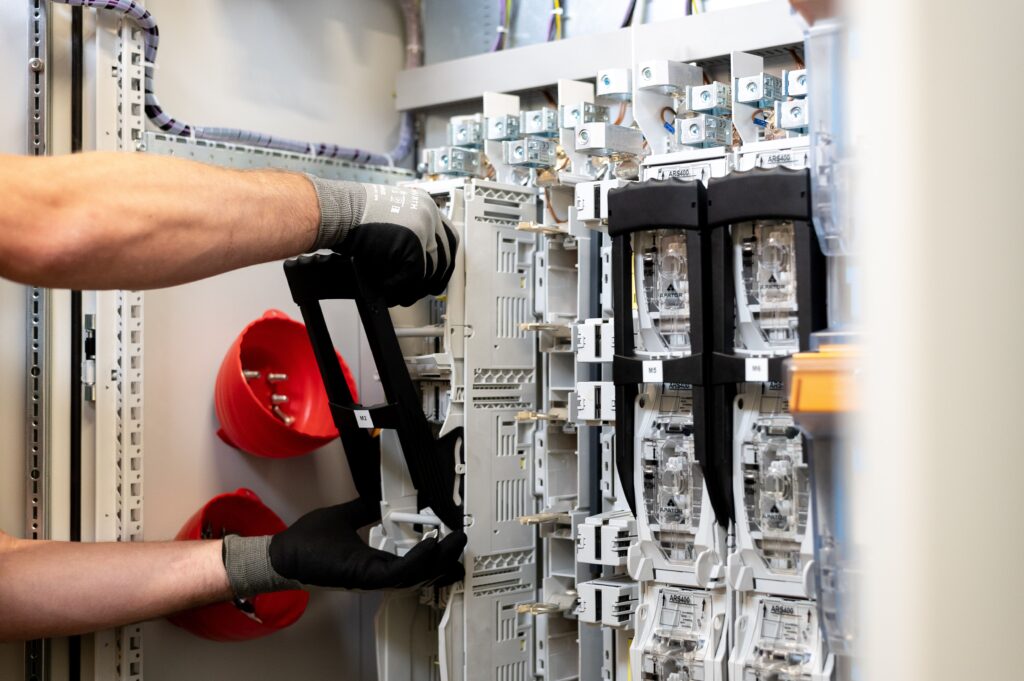
Why Electrical Panel Installation Is Important
Today’s homes use more electricity than ever before. From high-efficiency HVAC systems to electric vehicle chargers and smart home devices, electrical demand continues to grow.
Here are the key reasons homeowners choose electrical panel installation:
1. Improved Safety
Outdated panels can overheat, cause short circuits, or increase the risk of electrical fires. A modern panel installation ensures your system meets current electrical codes and safety standards.
2. Increased Electrical Capacity
Older homes may not have sufficient amperage to support new appliances. Installing a new panel provides the capacity needed for modern electrical loads.
3. Support for Smart Home Technology
Smart lighting, security systems, and energy monitoring tools require stable electrical distribution. A new panel ensures smooth integration.
4. Preparation for EV Chargers
If you plan to install an electric vehicle charger, your existing panel may require an upgrade to handle the additional load.
5. Enhanced Property Value
A newly installed electrical panel increases home value and reassures potential buyers that the electrical system is safe and up-to-date.
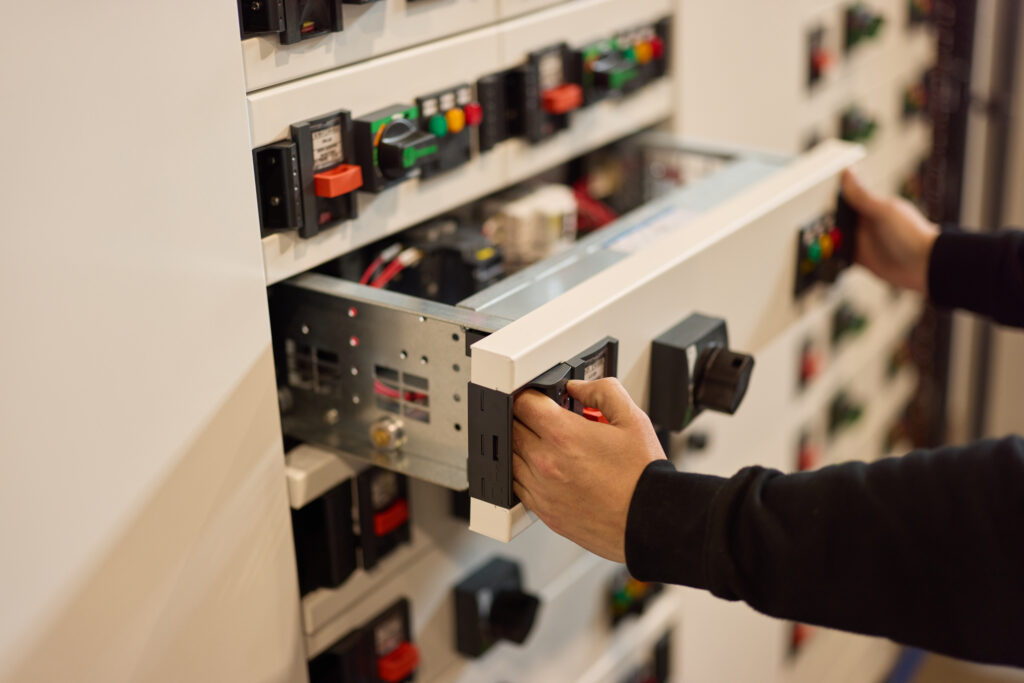
Signs You Need Electrical Panel Installation
Not sure if your home needs a new electrical panel? Watch for these warning signs:
- Frequent circuit breaker trips
- Flickering or dimming lights
- Burning smells near the panel
- Warm or buzzing breaker box
- Use of multiple extension cords due to insufficient outlets
- Adding major appliances or home expansions
If you notice any of these issues, consult a licensed electrician for a professional inspection.
Types of Electrical Panels
Choosing the right panel depends on your home’s size and electrical needs.
100 Amp Panel
Suitable for smaller homes with standard electrical usage. It provides basic capacity for lighting and common appliances.
200 Amp Panel
The most common choice for modern residential properties. It supports larger appliances, HVAC systems, and EV chargers.
400 Amp Panel
Typically used for large homes, multi-family properties, or homes with high electrical demands, such as heavy-duty HVAC systems.
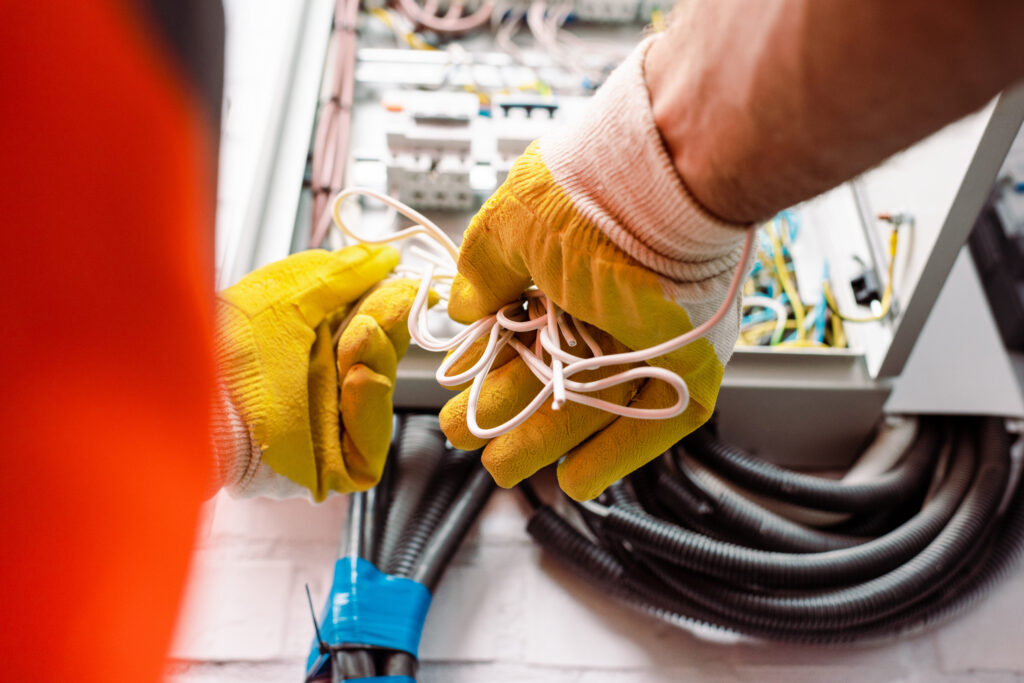
The Electrical Panel Installation Process
Professional electrical panel installation involves several critical steps:
1. Electrical Assessment
A licensed electrician evaluates your home’s electrical load requirements and determines the appropriate panel size.
2. Permit Approval
Most municipalities require permits before installation. Code compliance ensures safety and legal approval.
3. Power Shutoff
The utility company temporarily disconnects power before installation begins.
4. Removal of Old Panel
The outdated panel or fuse box is safely removed.
5. Installation of New Panel
The new breaker panel is mounted, circuits are connected, and breakers are installed properly.
6. Inspection and Testing
After installation, the system is inspected and tested to ensure everything functions correctly and safely.
Professional installation typically takes several hours, depending on the complexity of the project.
Factors That Influence Electrical Panel Installation
Several factors determine the scope of installation:
- Size of the home
- Number of circuits required
- Condition of existing wiring
- Local electrical codes
- Distance from the utility connection
- Future electrical expansion plans
Older homes may require additional wiring upgrades to meet modern standards.
Electrical Panel Safety Considerations
Electrical malfunctions remain one of the leading causes of residential fires. Proper panel installation significantly reduces risk by ensuring:
- Circuit breakers are correctly rated
- Wiring is properly secured
- Grounding and bonding are correctly installed
- The system meets National Electrical Code (NEC) standards
Never attempt DIY electrical panel installation. This is a complex job that requires licensing, permits, and technical expertise.
Smart Electrical Panel Installation
Smart panels are becoming increasingly popular. These advanced systems allow homeowners to:
- Monitor energy usage in real time.
- Control circuits remotely
- Track electrical consumption
- Improve overall energy efficiency
Smart electrical panel installation is ideal for tech-forward homes seeking energy management solutions.
How to Choose the Right Electrician
When hiring a professional for electrical panel installation, look for:
- Licensed and insured contractors
- Experience with residential installations
- Knowledge of local codes and permits
- Positive customer reviews
- Clear project timeline and communication
Choosing a qualified electrician ensures your installation is completed safely and correctly.
Conclusion
Electrical panel installation is a crucial upgrade that enhances safety, efficiency, and reliability in your home. Whether you’re replacing an outdated system or preparing for modern appliances and EV chargers, a properly installed electrical panel ensures your home can handle today’s power demands.
Always consult a licensed electrician to assess your needs and recommend the right panel size for your home. Investing in professional installation protects your property, improves performance, and prepares your home for the future.
FAQs About Electrical Panel Installation
1. How long does electrical panel installation take?
Most residential installations are completed within several hours, depending on system complexity and required upgrades.
2. Can I install an electrical panel myself?
No. Electrical panel installation requires a licensed electrician due to safety risks, permits, and code compliance requirements.
3. How long does an electrical panel last?
A properly maintained electrical panel typically lasts between 25 and 40 years.
4. What size electrical panel do I need?
Panel size depends on your home’s square footage, appliance usage, and future expansion plans. A licensed electrician can calculate your electrical load requirements.
5. Is a permit required for electrical panel installation?
Yes. Most cities require permits and inspections to ensure the installation meets safety codes.
6. Do I need to upgrade my wiring during panel installation?
It depends on the age and condition of your wiring. Older homes may require wiring updates to meet modern electrical standards.