Lighting plays a crucial role in every home, from enhancing ambiance to improving functionality. Whether you’re installing modern fixtures in new construction or upgrading outdated lighting in an existing space, understanding the cost of lighting installations is essential for proper budgeting.
On average, homeowners spend between $300 and $2,000 on lighting installation. The final cost depends on several factors, including labor, fixture type, wiring requirements, and property conditions. In this guide by Solid Power Inc., we break down the key components that influence your total lighting installation expenses.
Understanding Lighting Installation Costs
Before starting any project, it’s important to understand how your budget is distributed. Lighting installation costs are not just about buying fixtures, they also include labor, wiring, accessibility, and potential repairs.
Let’s take a closer look at the main cost factors.
Labor Costs for Lighting Installation
Labor is one of the most significant expenses in any electrical project. Electricians typically charge hourly rates that vary by experience and location.
- Journeyman electricians: Lower hourly rates
- Licensed electrical contractors: Higher but more experienced
On average, expect to pay between $35 and $100+ per hour. Complex installations or high-end projects may increase labor costs.
Lighting Fixture Costs
The type of fixture you choose has a major impact on your overall budget. Simple fixtures cost less, while decorative or multi-light installations can significantly increase expenses.
Average Fixture Price Ranges:
- Flush Mount Lights: $70–$300
- Recessed Lighting: $130 – $500
- Pendant Lights: $100–$400
- Chandeliers: $200–$3,400
- Vanity Lights: $100–$300
- Under-Cabinet Lighting: $125–$300
- Security/Flood Lights: $250–$600
Choosing the right fixture depends on both your design preferences and functional needs.
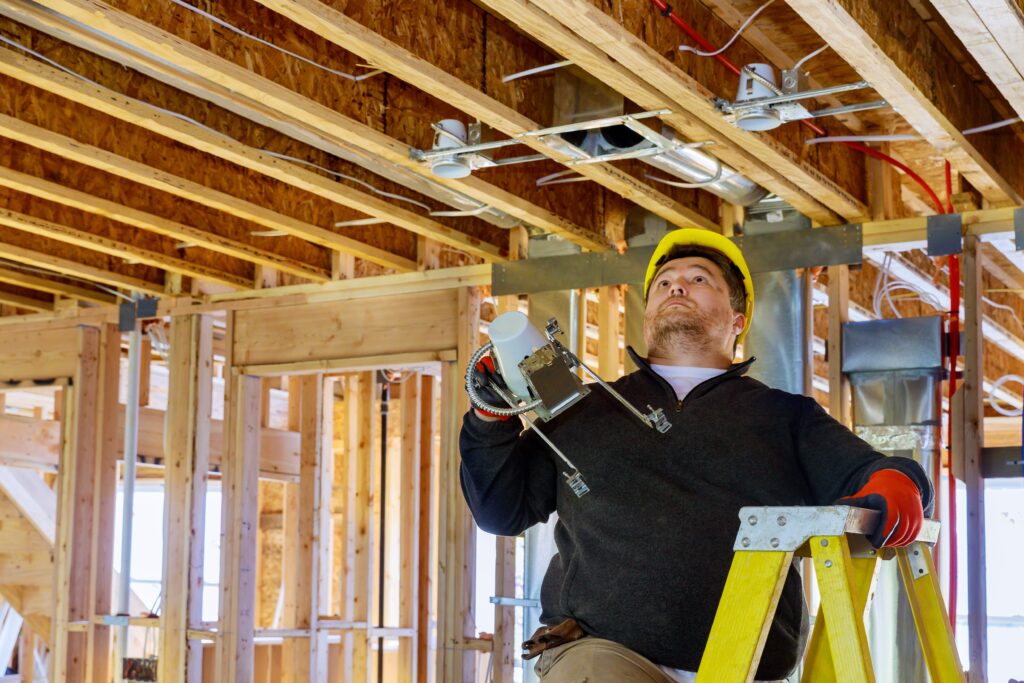
Wiring and Electrical Work
If you’re replacing an existing light fixture, wiring costs are usually minimal. However, installing a new fixture in a location without existing wiring can increase your budget.
Additional wiring costs may include:
- Electrical conduit installation
- Junction box setup
- Running new wiring
Typically, wiring costs range from $50 to $500, depending on complexity.
Accessibility and Installation Difficulty
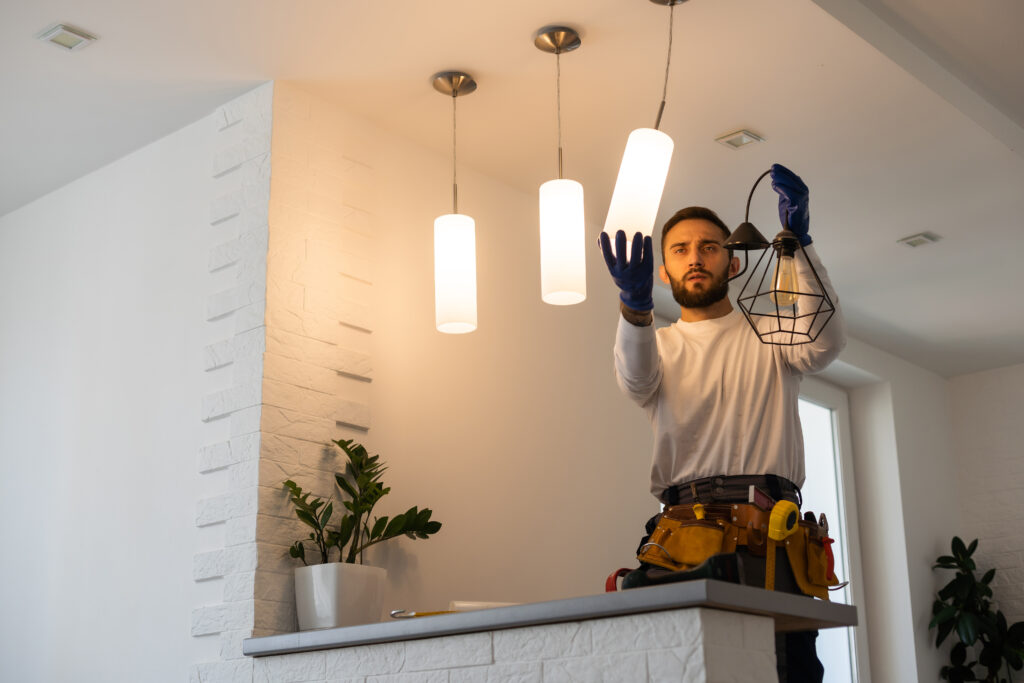
The ease of access to the installation area can impact labor costs. Simple installations are more affordable, while difficult locations require more time and effort.
For example:
- Easy access (bathroom vanity): Lower cost
- High ceilings or tight spaces: Higher cost
Projects like ceiling light installation in hard-to-reach areas often require additional tools or equipment, increasing overall expenses.
Unexpected Repairs
During installation, electricians may uncover hidden issues such as:
- Damaged wiring
- Moisture-related problems
- Pest-related damage
These issues can add unexpected costs to your project. It’s always a good idea to set aside a contingency budget for such repairs.
Property Age and Electrical Upgrades
Older homes often require electrical upgrades before new lighting can be installed safely. Outdated or worn-out wiring may need to be replaced to meet modern safety standards.
This may include:
- Panel upgrades
- Rewiring sections of the home
- Replacing outdated components
Older properties typically require a higher lighting installation budget due to these additional upgrades.
Permit and Inspection Fees
If your project involves significant electrical modifications, you may need permits from local authorities. These permits ensure your installation meets safety codes and regulations.
Permit costs vary by location but should be included in your overall budget planning.
Tips to Reduce Lighting Installation Costs
While lighting installation can be costly, there are several ways to reduce expenses without compromising quality.
1. Prepare the Space in Advance
Move furniture and ensure easy access for electricians to reduce labor time.
2. Bundle Electrical Services
Combining multiple electrical tasks into one visit can lower overall costs.
3. Look for Energy Rebates
Some utility companies offer rebates for energy-efficient lighting upgrades.
4. Purchase Fixtures Yourself
Buying fixtures directly can help you avoid contractor markups.
5. Choose Efficient Designs
Opt for simple and practical designs to reduce both installation and maintenance costs.
Conclusion
Lighting installation costs can vary widely depending on labor, fixture type, wiring needs, and property conditions. While basic installations may cost a few hundred dollars, more complex projects can exceed $2,000.
Understanding these cost factors helps you plan your project more effectively and avoid unexpected expenses. By preparing your space, choosing the right fixtures, and working with experienced professionals like Solid Power Inc., you can ensure a smooth, cost-efficient installation.
FAQs
1. How long does it take to install a light fixture?
Most light fixture installations take between 1 and 3 hours, depending on the area’s complexity and accessibility.
2. What is the cost of installing a ceiling fan with lights?
Installing a ceiling fan with lighting typically costs between $100 and $600, depending on wiring and installation difficulty.
3. Do I need new wiring for lighting installation?
If you are installing a fixture in a new location, additional wiring may be required. Replacing an existing fixture usually does not need new wiring.
4. Can I install lighting fixtures myself?
Simple installations may be DIY-friendly, but for safety and code compliance, it’s recommended to hire a licensed electrician for most projects.
5. How do I choose the right electrician?
Look for licensed, experienced electricians with positive reviews, transparent pricing, and a proven track record of quality work.