Starting a new business location requires careful planning and construction expertise. Commercial build-outs transform empty spaces into functional, revenue-generating business environments. Understanding different build-out types helps business owners make informed decisions.
As experienced electricians serving businesses for over a decade, we’ve seen countless transformations. Each project teaches us something new about commercial construction requirements.
What Is a Commercial Build-Out?
A commercial build-out is the interior construction of leased space. It customizes empty or existing spaces to meet specific business needs. The process includes electrical systems, plumbing, HVAC, and structural modifications.
Property owners often provide a bare shell for tenants. Business owners then complete construction to operational standards and design preferences. This process creates functional workspaces from empty commercial real estate.
First-Generation Build-Outs: Starting From Scratch
First-generation build-outs involve completely raw, unfinished commercial space. These spaces have never been occupied or improved before. Developers provide only the basic building shell and exterior walls.
Everything must be installed from the ground up. Electrical wiring, lighting fixtures, HVAC systems, and plumbing are all new. This offers complete design freedom but requires substantial investment and time.
The advantage is total control over layout and infrastructure placement. Business owners can position electrical outlets, data ports, and lighting exactly where needed. However, costs run higher compared to other build-out types.
First-generation projects typically take three to six months to complete. Planning, permitting, and inspection processes extend timelines significantly in most jurisdictions.
Second-Generation Build-Outs: Renovation and Adaptation
Second-generation build-outs modify previously occupied commercial spaces for new tenants. Existing infrastructure, like electrical panels, HVAC, and plumbing, already exists. This dramatically reduces both costs and construction timelines.
Previous tenants leave behind walls, flooring, lighting, and sometimes equipment. New businesses evaluate what stays and what requires replacement or updating. Electrical systems often need upgrades to meet modern technology demands.
Many retail spaces, restaurants, and offices fall into this category. The existing framework provides a strong foundation for customization. Smart business owners can save 30-50% compared to first-generation projects.
Reusing existing electrical infrastructure requires thorough inspection and code compliance verification. Outdated wiring or insufficient power capacity must be addressed immediately. Safety and functionality should never be compromised for cost savings.
Vanilla Shell Build-Outs: The Middle Ground
Vanilla shell spaces offer basic finished elements without full customization. Landlords provide finished walls, basic flooring, and standard ceiling installations. Minimal HVAC and electrical systems are typically included as well.
This option sits between first and second-generation build-outs perfectly. Tenants receive a clean slate without starting completely from scratch. Basic infrastructure exists but customization remains highly flexible and achievable.
Electrical work in vanilla shells usually involves adding circuits and outlets. Lighting systems need installation to match business operations and aesthetics. Technology infrastructure like data cabling requires professional installation for optimal performance.
These projects complete faster than first-generation build-outs, usually within eight weeks. Costs remain moderate while still allowing significant personalization and branding opportunities.
Turnkey Build-Outs: Move-In Ready Solutions
Turnkey build-outs deliver completely finished, operational spaces ready for immediate occupancy. Landlords complete all construction, electrical, plumbing, and finishing work beforehand. Businesses can literally unlock the door and start operations immediately.
This option eliminates construction headaches and provides predictable move-in dates. No permit delays, contractor coordination, or unexpected cost overruns occur. However, customization options remain extremely limited in most cases.
Electrical systems are already installed according to general commercial standards. If your business requires specialized power configurations, turnkey might not work. Medical facilities, restaurants, and tech companies often need custom electrical solutions.
The trade-off between convenience and customization defines this build-out type. It’s perfect for businesses with standard needs and tight timelines.
Retail Build-Outs: Customer-Facing Spaces
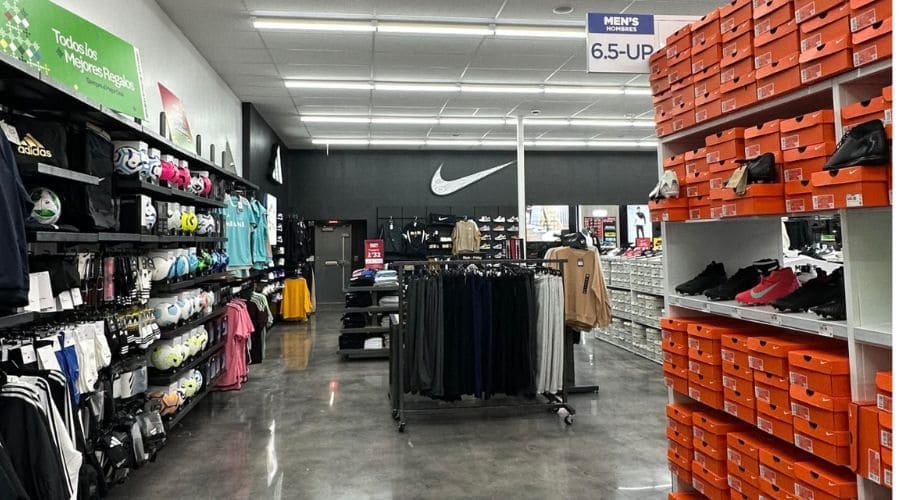
Retail build-outs prioritize customer experience, product display, and sales optimization. Lighting design becomes critically important for merchandise presentation and ambiance. Electrical planning must accommodate POS systems, security equipment, and display lighting.
Strategic outlet placement supports merchandising flexibility and seasonal display changes efficiently. Track lighting, accent lighting, and ambient lighting all require proper circuits. Energy-efficient LED systems reduce operational costs while improving product visibility.
Security systems, including cameras and alarm panels, need dedicated electrical circuits. Checkout areas require multiple outlets for registers, card readers, and receipt printers. Backup power solutions protect against sales disruptions during outages.
Retail spaces also need proper emergency lighting and exit signage. Code compliance ensures customer safety and avoids costly violations or fines.
Office Build-Outs: Productivity and Technology Focus
Office build-outs emphasize employee productivity, collaboration spaces, and technology infrastructure. Modern offices require extensive data cabling, Wi-Fi access points, and power outlets. Conference rooms need presentation equipment, video conferencing, and specialized lighting controls.
Open floor plans require flexible electrical distribution throughout the workspace. Individual workstations need adequate outlets for computers, monitors, and charging devices. Breakrooms and kitchens demand dedicated circuits for appliances and equipment.
Energy management systems help reduce utility costs in larger office environments. Motion-sensor lighting, programmable thermostats, and smart controls improve efficiency significantly. These systems require professional electrical installation and integration for proper operation.
Offices also need emergency backup power for servers and critical systems. Uninterruptible power supplies protect data and maintain operations during power interruptions.
Restaurant and Food Service Build-Outs
Restaurant build-outs rank among the most complex commercial construction projects. Commercial kitchens require heavy-duty electrical service with 200-400 amp capacity. Ovens, fryers, refrigeration, and HVAC systems all demand significant power.
Health department regulations dictate specific electrical requirements for food service operations. Proper grounding, GFCI protection, and ventilation system integration are all mandatory. Lighting must meet food safety standards while creating appropriate dining ambiance.
Kitchen equipment placement affects electrical panel location and circuit distribution significantly. Hood systems require dedicated circuits and integration with fire suppression systems. Walk-in coolers and freezers need independent, reliable power with backup capabilities.
Dining areas require dimmer controls, accent lighting, and emergency egress lighting. Outdoor patios need weatherproof outlets and appropriate lighting for evening service.
Medical and Healthcare Build-Outs
Medical build-outs demand the highest electrical standards and code compliance. Patient safety requires hospital-grade outlets, isolated ground systems, and emergency power. Examination rooms, procedure areas, and diagnostic equipment all have specialized requirements.
Medical imaging equipment, like X-ray machines, requires dedicated high-voltage circuits. Laboratory spaces need precise power quality for sensitive testing equipment. HVAC systems must maintain strict temperature and humidity controls continuously.
Emergency backup generators ensure critical systems remain operational during power failures. Life safety systems, emergency lighting, and exit signage receivethe highest priority. All electrical work must meet strict healthcare facility guidelines and regulations.
Medical offices also require a robust data infrastructure for electronic health records. HIPAA compliance extends to network security and data protection systems.
Industrial and Warehouse Build-Outs
Industrial build-outs focus on operational efficiency, safety, and equipment power needs. Heavy machinery often requires three-phase power and high-amperage dedicated circuits. Proper electrical distribution prevents voltage drops and equipment damage or failure.
Warehouse lighting must provide adequate visibility while minimizing energy consumption. High-bay LED fixtures offer excellent light levels with low maintenance requirements. Motion sensors reduce energy waste in areas with intermittent activity.
Loading docks need weatherproof outlets, dock lights, and equipment charging stations. Material handling equipment, such as forklifts, requires dedicated charging areas with proper ventilation. Safety lighting, emergency systems, and exit signs ensure worker protection always.
Industrial spaces often include office areas requiring separate electrical considerations entirely.
Choosing the Right Build-Out for Your Business
Selecting the appropriate build-out type depends on several critical factors. Budget constraints, timeline requirements, and customization needs all influence the decision. Business type and operational requirements also play significant determining roles.
First-generation build-outs suit businesses needing complete control and unique configurations. Second-generation options work well for standard operations with moderate budgets. Vanilla shells offer balanced flexibility for growing businesses with evolving needs.
Consult with experienced commercial electricians early in your planning process. Professional assessment identifies electrical requirements, cost estimates, and potential challenges upfront. This prevents costly surprises and ensures code compliance throughout construction.
Consider future expansion needs when planning your initial build-out carefully. Adding electrical capacity later costs more than installing it initially. Smart planning saves money and headaches as your business grows.
Electrical Considerations Across All Build-Out Types
Every commercial build-out requires proper electrical planning regardless of type. Electrical service capacity must match current and anticipated future power needs. Inadequate service causes operational problems and expensive upgrades later on.
Code compliance protects your investment, employees, and customers from electrical hazards. Licensed electricians ensure installations meet all national and local requirements. Permits, inspections, and documentation provide legal protection and insurance compliance.
Energy efficiency reduces operational costs and supports environmental sustainability goals effectively. LED lighting, smart controls, and efficient equipment lower utility bills significantly. Many jurisdictions offer rebates and incentives for energy-efficient commercial installations.
Safety features like GFCI outlets, proper grounding, and arc-fault protection prevent injuries. Emergency lighting and exit signs ensure safe evacuation during power failures. Regular maintenance keeps electrical systems operating safely and reliably for years.
Working With Professional Commercial Electricians
Experienced commercial electricians bring invaluable expertise to build-out projects of all types. We understand code requirements, permit processes, and installation best practices thoroughly. Our decade-plus experience helps avoid common pitfalls and costly mistakes.
Professional electrical contractors coordinate with general contractors, architects, and building inspectors. This teamwork ensures smooth project progression and timely completion dates. We handle everything from initial planning through final inspection and approval.
Quality workmanship protects your investment and ensures reliable, long-term operation. Cutting corners on electrical work can create serious safety hazards and costly repairs. At Solid Power Inc., our licensed and insured commercial electrician team delivers proven expertise with trusted commercial construction experience and strong references. Your electrical system is the foundation of modern business operations. Investing in proper installation with Solid Power Inc. pays dividends through reliability, efficiency, and safety.
Frequently Asked Questions
What’s the average cost difference between first and second-generation build-outs?
Second-generation build-outs typically cost 30-50% less than first-generation projects. Existing infrastructure significantly reduces material and labor expenses for contractors.
How long does a typical commercial build-out take to complete?
Timelines vary from four weeks for simple projects to six months. Complexity, size, and permitting processes affect duration significantly and unpredictably.
Do I need a licensed electrician for commercial build-outs?
Yes, commercial electrical work requires licensed professionals in all jurisdictions. Code compliance and safety standards demand proper training and certification always.
Can I reuse electrical systems from previous tenants safely?
Only after thorough inspection and testing by qualified commercial electricians. Outdated or damaged systems must be replaced for safety and compliance.
What electrical capacity does a typical retail store require?
Most retail spaces need 100-200 amp service depending on size. Specialized equipment or extensive lighting may require increased capacity significantly.
Are permits required for all commercial electrical work?
Yes, virtually all commercial electrical installations require permits and inspections. This ensures code compliance and protects building occupants from hazards.
What’s the difference between commercial and residential electrical requirements?
Commercial installations face stricter codes, higher capacity needs, and safety standards. Materials, methods, and testing all differ significantly from residential work.