Let me ask you something as a business owner. When did you last think about your electrical system? If the answer is “when something broke,” you’re not alone. Most business owners only think about electricity when the lights go out. That mindset is costing you sometimes in ways you can’t immediately see.
I’ve spent over 15 years working with commercial properties across Florida. I’ve walked through restaurants, office buildings, warehouses, retail shops, and medical facilities. The businesses that run smoothly have one thing in common. They don’t wait for failures; they prevent them.
This guide is your complete resource on commercial electrical maintenance. We’ll cover what it is, why it matters deeply, and what happens when you skip it. By the end, you’ll understand why this is one of the smartest investments your business can make.
What Is Commercial Electrical Maintenance?
Commercial electrical maintenance is the scheduled inspection, testing, and servicing of your business’s entire electrical system. It’s not just changing a lightbulb or resetting a tripped breaker. It’s a comprehensive evaluation of everything carrying current in your facility.
A proper maintenance program covers your electrical panel, circuit breakers, wiring, outlets, lighting systems, grounding systems, and surge protection devices. It also includes testing arc-fault circuit interrupters (AFCIs), ground fault circuit interrupters (GFCIs), and emergency backup systems.
Think of it like a physical exam for your building. You check everything, not just the parts that are visibly hurting. Small problems found early are cheap to fix. The same problems found after a failure are devastating.
The Real Cost of Neglecting Electrical Maintenance
Before I give you the benefits, let me give you a reality check. Skipping electrical maintenance has real, measurable, and expensive consequences.
Electrical fires are the number one concern. According to the National Fire Protection Association (NFPA), electrical failures and malfunctions are a leading cause of commercial structure fires in the United States. These fires cause billions in property damage annually. Most of them are preventable with routine maintenance.
Downtime costs businesses enormously. An unexpected electrical failure can shut your entire operation down in seconds. Every hour of downtime means lost revenue, missed deadlines, and frustrated customers. For a busy restaurant or retail store, even a few hours offline can mean thousands of dollars lost.
Insurance claims and liability exposure are serious risks. If a fire or injury occurs due to neglected electrical systems, your insurer may deny your claim. Proving negligence, especially without maintenance records, leaves your business financially exposed. That’s a risk no business owner should take.
OSHA violations carry steep financial penalties. The Occupational Safety and Health Administration (OSHA) has strict electrical safety standards for commercial workplaces. Violations can result in fines ranging from thousands to tens of thousands of dollars per incident. Maintenance keeps you compliant and protected.
The message is simple. You either pay a little now through maintenance, or you pay a lot later through failure.
10 Powerful Reasons Your Business Needs Regular Electrical Maintenance
1. Prevents Costly and Dangerous Electrical Fires
This is always reason number one, no contest. Faulty wiring, overloaded circuits, and loose connections generate heat. That heat builds silently inside walls, panels, and junction boxes. Eventually, it ignites.
Regular inspections catch these issues before they become fires. Your electrician identifies hot spots, damaged insulation, overloaded breakers, and improper connections during routine visits. Catching one of these issues on a maintenance call can save your entire building.
The National Fire Protection Association (NFPA 70B) publishes the recommended standard for electrical equipment maintenance. Following this standard significantly reduces fire risk in commercial facilities.
2. Keeps Your Business Fully OSHA Compliant
OSHA’s 29 CFR 1910 Subpart S covers electrical safety in general industry workplaces. These standards aren’t suggestions; they’re legal requirements. Non-compliance puts your business at risk of serious fines and workplace injury liability.
Regular electrical maintenance ensures your facility meets all current OSHA requirements. It also creates a documented maintenance record. That documentation can be invaluable if your business is ever audited or investigated after an incident. Compliance isn’t just about avoiding fines; it’s about protecting your employees every single day.
3. Reduces Unplanned Downtime Dramatically
Unplanned downtime is every business owner’s nightmare. It disrupts operations, damages customer relationships, and hemorrhages revenue. The worst part? Most downtime caused by electrical failures is completely avoidable.
Scheduled maintenance identifies failing components before they quit. A breaker showing signs of weakness can be replaced during a planned maintenance visit. The same breaker failing during peak business hours shuts you down without warning. The difference between those two scenarios is enormous financially and operationally.
4. Extends the Life of All Your Electrical Equipment
Your electrical system isn’t just wires and breakers. It powers every piece of equipment your business relies on. HVAC systems, commercial refrigerators, computers, servers, production machinery, and lighting all depend on clean, stable power.
Voltage fluctuations, power surges, and poor grounding silently damage equipment over time. A properly maintained electrical system delivers clean, consistent power. That means your equipment runs more efficiently and lasts significantly longer. Think of it as protection for every dollar you’ve invested in your business assets.
5. Lowers Your Monthly Energy Bills
This one surprises most business owners. A poorly maintained electrical system wastes energy and energy waste shows up directly on your utility bill. Loose connections create resistance, which generates heat and wastes electricity. Aging fluorescent ballasts draw more power than they should. Overloaded circuits run inefficiently under constant stress.
A maintenance inspection identifies these energy drains and corrects them. Many businesses see measurable reductions in their energy costs after a thorough electrical tune-up. In a commercial facility running 10 to 12 hours a day, those savings add up quickly month after month.
6. Protects Your Employees and Customers
Your employees show up trusting that their workplace is safe. Your customers walk through your door with that same expectation. It’s your legal and moral responsibility to honor that trust every single day.
Exposed wiring, failing outlets, improper grounding, and overloaded panels create real electrocution hazards. These aren’t theoretical risks, they’re documented causes of workplace injuries across the country. Regular maintenance finds and eliminates these hazards before anyone gets hurt. A safe workplace also boosts employee morale and confidence in your business.
7. Protects and Preserves Your Business Assets
Think about what your electrical system powers every day. Servers, POS systems, security cameras, refrigeration units, industrial equipment, and more. These assets represent tens or hundreds of thousands of dollars in capital investment.
Electrical surges, voltage spikes, and power quality issues can damage or destroy this equipment instantly. Surge protection devices (SPDs) and properly maintained panels guard against these events. A maintenance visit includes testing your surge protection and power quality. It’s asset protection that your insurance policy doesn’t fully cover on its own.
8. Keeps You Up to Code with the NEC
The National Electrical Code (NEC) is updated every three years. Each revision introduces new safety requirements and best practices. Florida adopts these updates with state-specific amendments that apply to all commercial properties.
An electrical system that was compliant five years ago may no longer meet current code requirements. Regular maintenance keeps your facility aligned with the latest NEC edition. It also ensures that any additions or modifications to your electrical system are properly documented and permitted. Code compliance protects your business license, your insurance coverage, and your liability exposure.
9. Strengthens Your Insurance Coverage
Your commercial property insurance policy has conditions. Most policies require that your building’s electrical systems be properly maintained and up to code. Failing to maintain your electrical system can give insurers grounds to deny claims even for unrelated incidents.
Some commercial insurers now require documentation of regular electrical inspections for policy renewal. Having a professional maintenance record demonstrates due diligence. It shows your insurer that you take risk management seriously. That can also translate into lower premiums over time for well-maintained properties.
10. Gives You Peace of Mind as a Business Owner
Running a business is stressful enough without worrying about your building burning down. Electrical maintenance removes one of the biggest silent risks from your plate completely. You know your system has been inspected, tested, and serviced by licensed professionals. You have documentation proving it.
That peace of mind is worth more than people give it credit for. You can focus on growing your business instead of reacting to crises. That mental clarity has real value and it starts with a simple maintenance schedule.
What Does a Commercial Electrical Maintenance Inspection Cover?
Not all maintenance visits are equal. A thorough commercial electrical inspection should include the following components at a minimum:
Electrical Panel Inspection: Your electrician checks for signs of overheating, corrosion, loose connections, and proper labeling. They verify that breaker ratings match the circuits they protect. They also check for double-tapped breakers, a common code violation in commercial panels. If your panel needs attention, explore our electrical panel upgrade and replacement options.
Circuit Breaker Testing: Every breaker in your panel is tested for proper operation and response. Breakers that don’t trip at correct thresholds are a serious hazard. Thermal imaging can detect overheating breakers that appear normal to the naked eye. Learn more about our circuit breaker repair services for commercial properties.
Wiring and Connection Inspection: All accessible wiring is visually inspected for damage, deterioration, and improper installations. Connection points are checked and tightened throughout the system. Loose connections are one of the most common causes of commercial electrical fires; they’re also one of the easiest to prevent.
GFCI and AFCI Testing All ground fault circuit interrupters (GFCIs) and arc-fault circuit interrupters (AFCIs) are tested for proper functionality. These devices are your last line of defense against electrocution and electrical fires. Non-functional safety devices are worthless; regular testing confirms they’ll perform when needed.
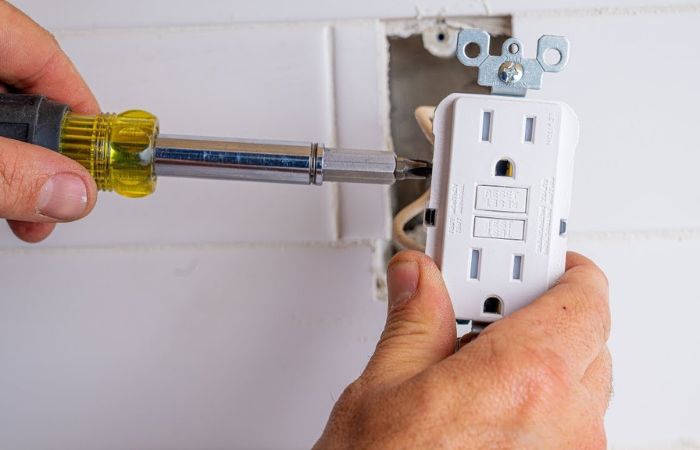
Grounding System Verification Proper grounding is critical for both safety and equipment protection. Your electrician verifies that all grounding conductors and grounding electrodes meet current NEC standards. Poor grounding leads to equipment damage, power quality issues, and elevated shock risk.
Surge Protection Assessment: Transient voltage surge suppressors (TVSS) and surge protection devices (SPDs) are checked and tested. Surge protectors have a finite lifespan and wear out after absorbing surges. Expired or failed surge protection leaves your equipment completely vulnerable to voltage spikes.
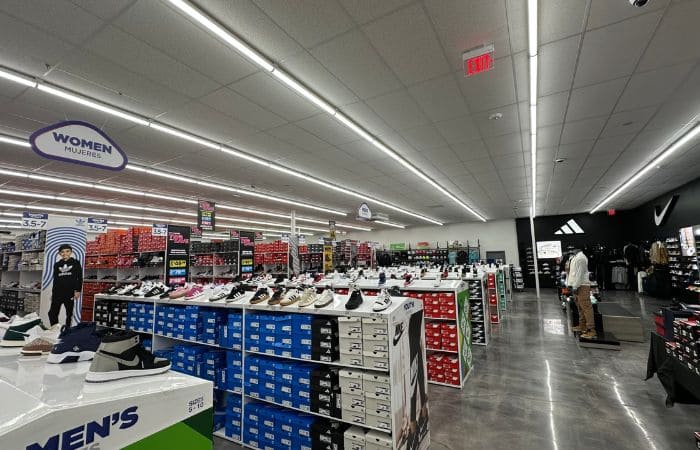
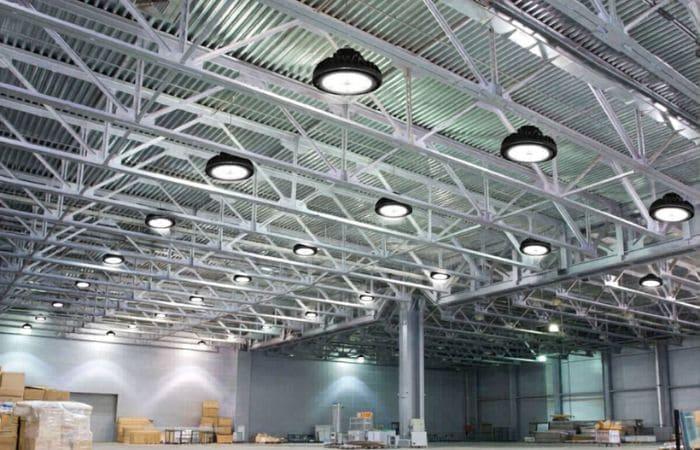
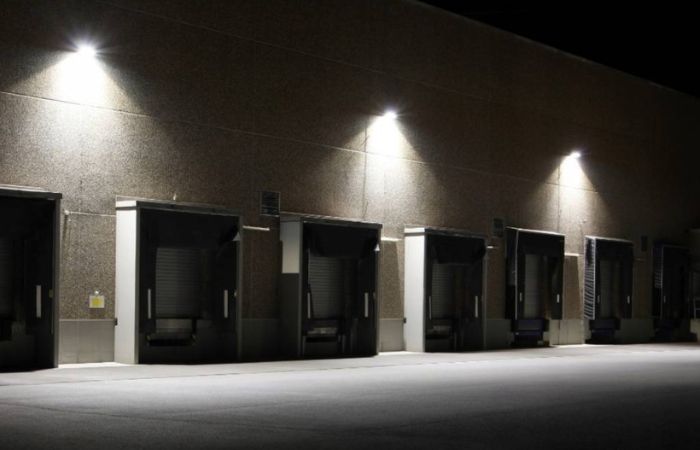
Lighting System Evaluation: Commercial lighting is inspected for efficiency, proper operation, and code compliance. Emergency egress lighting and exit signs are tested per life safety code requirements. Inadequate emergency lighting is a serious liability issue during power outages or fire evacuations.
Thermal Imaging Scan. Advanced maintenance visits include infrared thermography and thermal imaging of your entire electrical system. This technology identifies hot spots invisible to the human eye. It’s one of the most powerful diagnostic tools available for commercial electrical maintenance.
How Often Should Businesses Schedule Electrical Maintenance?
This is one of the most common questions I get from commercial clients. The answer depends on your industry, building age, and electrical load demands. Here’s a practical framework:
High-Demand Commercial Properties: Restaurants, commercial kitchens, manufacturing facilities, data centers, medical offices → Every 6 months minimum. These environments push electrical systems hard and operate long hours daily. The risk of failure is higher, so inspection frequency should match the risk level.
Standard Commercial Properties: Retail stores, office buildings, salons, gyms, small warehouses → Annual inspections at a minimum. Many properties in this category benefit from semi-annual visits depending on equipment age and occupancy.
Light Commercial or Professional Offices: small offices with standard loads, light retail spaces → Annual inspection is typically sufficient. Review after any significant renovation, equipment addition, or electrical event.
New Commercial Construction: every 3 to 5 years for the first decade, then annually after year 10. New systems have fewer immediate concerns, but regular check-ins ensure long-term performance and code compliance.
When in doubt, consult directly with a commercial electrician service provider who can assess your specific property and usage patterns. There is no universal schedule — your business deserves a customized maintenance plan.
Warning Signs Your Commercial Property Needs Immediate Attention
Don’t wait for your scheduled maintenance visit if you notice these warning signs. Some electrical issues demand immediate professional attention. Take these seriously each one is a signal your system is under stress.
Frequent or Unexplained Circuit Breaker Trips: A breaker tripping occasionally is normal protective behavior. Breakers tripping repeatedly on the same circuit signal a persistent overload or fault condition. This needs investigation immediately — it won’t resolve on its own.
Burning Smell Anywhere in the Building Any smell of burning plastic, rubber, or a “hot” metallic odor near outlets, panels, or equipment is a serious red flag. This indicates active overheating somewhere in the system. Stop using the affected area and call an electrician immediately.
Flickering or Dimming Lights. Isolated flickering in one fixture usually indicates a failing bulb or ballast. Flickering throughout the building, especially when large equipment activates, signals a voltage supply problem or an overloaded panel. This affects your equipment and your customers’ experience.
Outlets or Switches That Are Warm to the Touch Outlets and switches should never feel warm. Warmth indicates elevated resistance, which means heat is being generated inside the wall. This is a potential fire ignition point that needs immediate inspection.
Visible Scorch Marks or Discoloration Scorch marks around outlets, switches, or on the panel are evidence that overheating has already occurred. This is past the warning stage; it’s an active hazard. Close the area off and call a licensed electrician without delay.
Buzzing, Crackling, or Humming Sounds. Electrical systems should operate quietly. Buzzing from outlets, humming from your panel, or crackling from light switches indicate loose connections, failing components, or arcing. These sounds are your system communicating a problem. Listen to it.
Aged or Visibly Deteriorated Wiring: If your building is 30 or more years old and wiring has never been inspected, assume it needs attention. Aluminum wiring, knob-and-tube wiring, and cloth-insulated wiring present real hazards in commercial environments. These require professional assessment and likely remediation.
Building a Commercial Electrical Maintenance Program
Creating a structured maintenance program sounds complicated, but it doesn’t have to be. Here’s a straightforward approach I recommend to all my commercial clients:
Step 1: Start with a Baseline Inspection. Begin with a comprehensive audit of your entire electrical system. This establishes a documented baseline of your system’s current condition. It identifies any immediate hazards or code violations that need correction first.
Step 2: Create a Maintenance Schedule. Based on the baseline audit, your electrician recommends an appropriate inspection frequency. This schedule is tailored to your property type, age, occupancy, and electrical load profile.
Step 3: Document Everything. Every maintenance visit should produce a written report with findings, repairs made, and recommendations. Keep these records organized and accessible. This documentation protects you legally, satisfies insurance requirements, and tracks your system’s health over time.
Step 4: Address Issues Promptly. When your maintenance visit identifies a concern, act on it quickly. Deferred repairs create compounding problems. A minor issue in January can become a major failure or a fire by summer.
Step 5: Review and Update Annually. Your business changes include new equipment, renovations, expanded hours, and added staff. Review your maintenance program annually to ensure it still matches your current electrical demands. Adjust the schedule and scope as your business evolves.
Final Thoughts
Running a successful business means managing risk intelligently. Electrical maintenance is one of the highest-return, lowest-cost risk management investments available to commercial property owners. It protects your people, your assets, your reputation, and your bottom line all at once.
The businesses I’ve watched struggle with electrical failures all had one thing in common. They treated their electrical system as invisible until it demanded attention. Don’t be that business. Build a maintenance program now, before something forces your hand.
The National Electrical Code and OSHA standards exist to protect your business and everyone inside it. Honoring those standards through regular maintenance is both a legal obligation and a professional responsibility. It’s also just plain smart business.
Frequently Asked Questions
How long does a commercial electrical maintenance inspection take?
It depends entirely on the size and complexity of your facility. A small office or retail space typically takes 2 to 4 hours. Larger commercial properties with extensive electrical infrastructure can take a full day or more. Your electrician will give you a clear time estimate before the visit.
Does my business need to shut down during the inspection?
Most inspections are performed with minimal disruption to operations. Some testing requires brief power interruptions to specific circuits. A good electrician schedules these interruptions strategically to minimize any impact on your business day.
What’s the difference between a maintenance inspection and an emergency repair?
Maintenance is proactive; it finds and addresses issues before failure. Emergency repair is reactive; it responds to failures after they’ve already impacted your business. Maintenance costs far less than emergency repairs and avoids the operational disruption that comes with unexpected failures.
Can I use the same electrician for maintenance and repairs?
Absolutely, and it’s actually advantageous. An electrician who performs your regular maintenance knows your system intimately. They can diagnose issues faster and make better repair decisions because they understand your system’s history and configuration.
Does regular maintenance reduce my commercial insurance premiums?
Many commercial insurers offer better rates for documented, well-maintained electrical systems. Even if your insurer doesn’t offer a direct discount, proper maintenance protects your ability to make claims when needed. That protection has enormous financial value.
What if my building is newly constructed?
New construction doesn’t mean maintenance-free. New electrical systems still need periodic inspection to verify proper performance and code compliance over time. Equipment wears, connections loosen, and usage patterns change. Start a maintenance program early don’t wait for problems to develop.


