Call now — your free estimate costs nothing (305) 305-3619

Electric Panel Repair vs Replacement Explained Guide

Your electrical panel is the control center of your property. It sends power to every outlet, light, appliance, and system in the building. When something goes wrong, the big question is usually this: should you repair the panel or replace it?

The answer depends on the age of the panel, the type of issue, the electrical load, and the overall condition of the system. In some cases, a simple breaker repair is enough. In others, replacing the panel is the safer and smarter long-term move.

This guide explains the difference in plain English. It is written for both homeowners and commercial property owners who want clear answers before calling an electrician.

Electric Panel Repair vs Replacement

What Is an Electrical Panel?

An electrical panel, also called a breaker box, service panel, or distribution board, is where electricity enters your property and gets distributed into circuits.

Inside the panel, you will find:

  • Main breaker
  • Branch circuit breakers
  • Bus bars
  • Neutral and ground bars
  • Service conductors

These components work together to protect the electrical system from overloads, short circuits, and other faults. When the panel is working properly, your building gets steady and safe power. When it starts failing, the warning signs should never be ignored.

If you are already noticing problems like repeated tripping, read our guide on why a circuit breaker keeps tripping.

Electric Panel Repair vs Replacement: What’s the Difference?

Electrical panel repair means fixing a specific issue without changing the entire panel. This may include replacing a faulty breaker, tightening loose wiring, correcting a bad connection, or resolving a minor grounding issue.

Electrical panel replacement means removing the old panel and installing a new one. This is usually necessary when the panel is outdated, damaged, unsafe, undersized, or no longer meets the electrical demands of the property.

A repair is often enough when the problem is isolated. Replacement is usually the better option when the issue is bigger than one breaker or one wire.

When Electrical Panel Repair Makes Sense

Not every panel problem calls for a full replacement. In many cases, a licensed electrician can safely repair the issue and restore proper operation.

1. A Single Breaker Has Failed

If one breaker is tripping constantly or will not reset, the breaker itself may be worn out. Replacing one bad breaker is often much more practical than replacing the whole panel.

This is especially true when the panel is newer and in otherwise good condition. Our circuit breaker repair service is designed for these kinds of issues.

2. There Is a Loose Connection or Minor Wiring Problem

Loose wires, damaged terminals, or small connection issues can cause flickering lights, intermittent power loss, or warm breakers. If the rest of the panel is in good shape, targeted repair may solve the problem.

3. The Panel Is Relatively New

Panels that are less than 15 to 20 years old often do not need full replacement unless they have major damage. If the panel still has enough capacity and no safety concerns, repair can be the right call.

4. The Issue Is Limited and Clearly Diagnosed

If a licensed electrician finds that the issue is isolated to one circuit, one breaker, or one connection, repair may be the most cost-effective option.

Competitor articles consistently note that isolated breaker failures, minor wiring issues, and newer panels are often repairable, while recurring or system-wide issues tend to point toward replacement.

When Electrical Panel Replacement Is the Better Option

There are times when repair is only a temporary bandage. If the panel itself is old, unsafe, or overloaded, replacement is usually the smarter investment.

1. The Panel Is 25 to 40 Years Old

Most electrical panels have an expected lifespan of around 25 to 40 years. As they age, internal components wear down. Breakers may stop tripping correctly. Connections may loosen. Corrosion may begin to form.

If your panel is in that age range or older, it should be evaluated carefully. Multiple industry sources cite 25 to 40 years as a common service life for residential panels.

2. Breakers Trip Frequently Across Multiple Circuits

One breaker tripping now and then may be normal. Multiple breakers tripping often is different. That can point to:

  • An overloaded panel
  • An undersized service
  • Internal panel wear
  • A load demand that exceeds the panel’s design

This often happens in properties that have added modern equipment without upgrading the service. Think HVAC systems, commercial kitchen equipment, EV chargers, large appliances, servers, or workshop tools.

3. Lights Flicker or Dim When Equipment Turns On

If lights dim when the air conditioner starts, or flicker when appliances run, your panel may be struggling under load. This is one of the most common signs of a capacity issue. It can also signal aging electrical components.

4. You Notice Burning Smells, Heat, or Scorch Marks

This is urgent. A burning odor, buzzing sound, hot panel surface, or visible scorch marks can indicate overheating, arcing, or failing internal components. These are serious fire risk warnings and should be inspected immediately.

5. The Panel Is a Known Problem Brand

Some older panel brands have a long history of safety concerns. Two of the best-known examples are:

  • Federal Pacific Electric (FPE) / Stab-Lok
  • Zinsco

These panels have been widely cited for breaker failure and safety issues. If your property still has one of these, replacement is generally recommended rather than repair. Several industry sources specifically identify Federal Pacific and Zinsco panels as replacement candidates due to documented safety concerns.

6. You Still Have a Fuse Box

A fuse box is a strong sign that the electrical system is outdated. Most fuse-based systems were not built for today’s electrical usage. Replacement with a modern breaker panel is usually the best path for safety, convenience, and insurability.

7. You Need More Power Than the Panel Can Handle

If you are adding new electrical loads, repair may not solve the real issue. You may need a panel upgrade or full replacement instead.

Common examples include:

  • EV charger installation
  • Hot tubs
  • Kitchen remodels
  • Home additions
  • New HVAC equipment
  • Commercial machinery
  • Office expansions
  • Server rooms
  • Retail refrigeration
  • Tenant improvements

If you are comparing service sizes, this breakdown of 100 amp vs 200 amp panel will help you understand what your property may need.

8. The Panel Has Physical Damage

Water intrusion, corrosion, rust, broken breakers, damaged bus bars, or loose breaker slots are all signs that replacement may be necessary. Structural damage inside the panel usually goes beyond what a simple repair can safely fix.

Industry guidance consistently says that corrosion, overheating, damaged bus bars, repeated repairs, and load limitations often make replacement the more practical long-term choice.

Repair vs Replacement for Homeowners
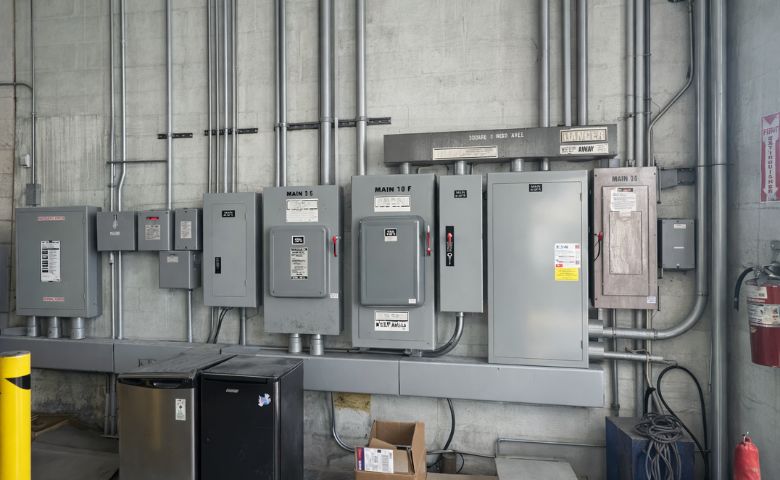
Electric Panel Replacement

For homeowners, the decision usually comes down to safety, capacity, and future plans.

You may only need a repair if:

  • One breaker has gone bad
  • The panel is newer
  • The issue is isolated
  • The system still has enough capacity

You likely need replacement if:

  • The panel is old
  • The home still has a fuse box
  • You smell burning near the panel
  • The lights flicker often
  • The home is being renovated
  • You are adding high-demand appliances
  • The panel is underpowered for modern living

Many older homes were built around lower electrical demand. Today’s homes often run air conditioning, multiple televisions, computers, induction cooking, washers, dryers, smart devices, security systems, and EV chargers. That changes the load calculation dramatically.

If your home may be outgrowing its current system, read Does Your Home Require an Electrical Panel Upgrade?

For in-home diagnostics, repairs, and upgrades, our residential electrician team can inspect the full system and explain the best path clearly.

Repair vs Replacement for Commercial Properties

Commercial properties have a different set of demands. Electrical systems in offices, retail spaces, restaurants, warehouses, healthcare facilities, and mixed-use buildings often carry heavier and more complex loads.

For commercial buildings, repair may make sense when:

  • The issue is isolated to one breaker or one circuit
  • The panel is modern and compliant
  • There is no sign of overheating or capacity strain

Replacement or upgrade is more likely when:

  • The business has expanded its equipment use
  • The building has an old electrical infrastructure
  • Tenant improvements require more circuits
  • The panel lacks space for additional breakers
  • Equipment startup causes voltage drops
  • There are recurring shutdowns or nuisance trips
  • The current panel no longer supports code requirements

Commercial electrical reliability is not just about convenience. It affects operations, employee safety, equipment performance, tenant satisfaction, and business continuity.

A failing panel can lead to:

  • Downtime
  • Equipment damage
  • Data loss
  • Refrigeration loss
  • Safety hazards
  • Failed inspections

For business properties, a professional load assessment is especially important before deciding on repair or replacement. Our commercial electrician team handles panel troubleshooting, upgrades, and replacement planning for a wide range of commercial facilities.

Electrical Panel Upgrade vs Electrical Panel Replacement

These terms are often used together, but they are not always the same.

TermWhat it Means
Panel repairFixes a specific issue in the existing panel
Panel replacementSwaps the old panel for a new one, usually the same or an improved setup
Panel upgradeIncreases service capacity, often from 100 amps to 200 amps or more

For example, if your panel is damaged or outdated, you may need a replacement. If your property simply needs more power for new loads, you may need an upgrade. In many cases, the two happen at the same time.

Our electrical panel upgrade and replacement service covers both.

Key Warning Signs You Should Not Ignore

If you notice any of the signs below, schedule a professional inspection as soon as possible:

  • Frequent breaker trips
  • Flickering or dimming lights
  • Warm outlets or switches
  • Burning odor near the panel
  • Crackling or buzzing sounds
  • Rust or corrosion
  • Water exposure
  • Breakers that will not reset
  • Scorch marks
  • Overcrowded breakers
  • Lack of available circuit space
  • A fuse box instead of breakers
  • Panel age over 25 years
  • Major renovations or added equipment

These warning signs show up again and again across leading industry content because they often point to larger electrical safety and capacity issues. 

Cost: Is Repair Cheaper Than Replacement?

In the short term, yes, repair is usually cheaper. Replacing a single breaker or fixing a loose connection costs much less than installing a brand-new panel.

But a lower upfront cost does not always mean better value.

If the panel is old, overloaded, unsafe, or needing repeated service calls, replacement may save more money over time by reducing:

  • Repeat repair bills
  • Risk of equipment damage
  • Fire hazards
  • Electrical downtime
  • Insurance complications
  • Upgrade delays during future projects

Some competitors cite broad replacement ranges such as roughly $1,500 to $4,500+, depending on panel size, service capacity, grounding work, and regional conditions, while localized estimates can vary significantly by market. Because pricing depends heavily on amperage, wiring condition, permit needs, and local code requirements, the most accurate approach is a site-specific inspection.

Permits, Code Compliance, and Safety

Electrical panel work is not a DIY project. Panel repairs and especially panel replacement or service upgrades should be handled by a licensed electrician.

Why this matters:

  • The panel connects to live utility power
  • Load calculations must be correct
  • Grounding and bonding must meet code
  • Permits and inspections may be required
  • Insurance claims may be affected by unpermitted work
  • Commercial properties may face occupancy and compliance issues

Several industry sources emphasize that electrical panel replacement usually requires permits and professional handling, and that unpermitted work can create insurance and liability problems. 

For broader electrical safety guidance, the National Fire Protection Association and the U.S. Consumer Product Safety Commission are useful reference points for property owners. 

How a Licensed Electrician Decides Between Repair and Replacement

A proper inspection should include more than a quick glance. A qualified electrician will usually assess:

  1. Panel age and brand
  2. Breaker performance
  3. Signs of overheating or corrosion
  4. Available capacity and load demand
  5. Condition of bus bars and conductors
  6. Grounding and bonding
  7. Code compliance
  8. Future expansion needs
  9. Property type and usage
  10. Service amperage

For homes, this may include evaluating appliances, HVAC, water heaters, dryers, and EV charging plans.

For commercial sites, it may also include machinery load, tenant requirements, refrigeration, IT systems, lighting controls, and demand patterns.

How to Choose the Right Solution for Your Property

If you are trying to decide what to do next, use this simple rule:

  • Choose repair when the issue is minor, isolated, and the panel is still safe and adequate.
  • Choose replacement when the panel is old, damaged, unsafe, overloaded, or limiting your property’s electrical needs.

If your property regularly shows signs of electrical stress, replacing the panel is often the stronger long-term investment.

Final Takeaway

Electrical panel repair and electrical panel replacement are not competing services. They solve different problems.

A repair works best when the issue is small and the panel is still in good condition. A replacement makes more sense when safety, age, damage, or electrical demand have outgrown what the current panel can handle.

For both homeowners and commercial property owners, the smartest next step is a professional inspection. A good electrician will not push a replacement when a repair will do. But they also should not patch over a panel that has become a serious safety risk.

Leave a comment

Your email address will not be published. Required fields are marked *