
Ever seen an outlet that just looks a little different? That small design change matters more than most people realize. It’s likely a tamper-resistant outlet, built for safety. At Solid Power Inc, we install and explain these every week.
This guide breaks down what they are and why they matter. We’ll also cover benefits for homes and commercial properties alike.
What Is a Tamper-Resistant Outlet?
A tamper-resistant outlet, or TRR, looks like a normal outlet. But inside, it hides a simple, life-saving mechanism. Spring-loaded shutters block both slots by default. They only open when equal pressure hits both sides at once. That design mimics exactly how a real plug works. A plug pushes into both slots evenly and simultaneously. A single object, like a key or hairpin, can’t do that. The shutters simply stay closed, blocking the connection.
This isn’t a new or experimental idea, either. Tamper-resistant outlets have been required in hospital pediatric wards for decades. Since 2008, the National Electrical Code has required them broadly. Every new or renovated home must now include this protection.
If you’re unsure whether your outlets meet this standard, look closely. Compliant outlets are usually marked with “TR” on the faceplate. If you don’t see it, your outlets may be outdated.
Why Tamper-Resistant Outlets Exist
Standard outlets have a hidden risk that’s easy to overlook. Every slot leads directly to live electrical current. Curious kids don’t understand that danger at all. That combination has caused countless preventable injuries over the years.
According to the Electrical Safety Foundation International (ESFI), each year, around 2,400 children experience severe electrical shocks and burns from inserting foreign objects into electrical outlets, with about seven children daily.
Plastic outlet caps were once the go-to solution. But they’re easy to lose, forget, or remove entirely. Studies have shown that many toddlers can remove them within seconds. Tamper-resistant outlets solve that problem permanently, with zero daily effort.
Key Benefits of Tamper-Resistant Outlets
These outlets offer more than just child safety. Here’s the fuller picture homeowners and businesses should know.
- Constant, Passive Protection: Unlike outlet covers, TRRs never need to be reinstalled. The protection is built into the outlet itself. There’s nothing to forget, misplace, or skip on busy days.
- Reduced Risk of Shock and Burns: The shutter mechanism blocks foreign objects from reaching live parts. This significantly lowers the risk of accidental shock. It also reduces burn injuries tied to outlet tampering.
- Code Compliance for New Construction and Renovations: Building code now requires TRRs in most residential projects. Skipping this requirement can delay inspections and approvals. Installing them upfront keeps your project on schedule.
- Added Value for Resale and Insurance: Homes with modern safety features often appeal more to buyers. Updated outlets can also support smoother insurance evaluations. It’s a small upgrade with lasting practical value.
- Durability Over Time: Tamper-resistant outlets are built for frequent, everyday use. The internal shutters hold up well under regular plugging and unplugging. That means fewer worn-out outlets down the road.
- Suitable for Commercial Spaces Too: Daycares, schools, medical offices, and clinics benefit significantly. Any space with children or public foot traffic qualifies. It’s a simple way to reduce liability and improve safety.
Do Commercial Properties Need Tamper-Resistant Outlets?
Many business owners assume this only applies to homes. That’s not entirely accurate for every commercial space.
Certain occupancies, like daycares and pediatric offices, require TRRs by code. Multi-family buildings and mixed-use properties often need them too. Even general offices benefit from the added layer of protection.
A commercial electrician can confirm exactly what your property requires. Code requirements vary based on occupancy type and local amendments. It’s always worth checking before your next renovation or build-out.
Tamper-Resistant vs. GFCI vs. AFCI Outlets
These terms often get confused, but they solve different problems.
Tamper-resistant outlets block foreign objects from causing shock. They’re focused specifically on physical tampering prevention.
GFCI outlets protect against ground faults, especially near water. You’ll find these in kitchens, bathrooms, and outdoor areas.
AFCI outlets detect dangerous arc faults inside wiring. These help prevent fires caused by damaged or worn wiring.
Many modern homes use all three types together. Each one protects against a different, specific electrical hazard.
Signs Your Home May Need an Update
Not sure if your outlets are outdated? Watch for these common signs.
- Your home was built or last renovated before 2008
- Outlets show no “TR” marking on the faceplate
- You’re planning a renovation, addition, or nursery
- Your panel or wiring hasn’t been inspected in years
If any of this sounds familiar, it’s worth a closer look. Outdated outlets often come paired with other aging electrical issues. For example, if your circuit breaker keeps tripping, that may point to bigger problems.
Older homes may also show signs it’s time for a broader review. Our guide on whether your home requires an electrical panel upgrade covers this in detail. Many aging systems benefit from a full evaluation, not just new outlets.
Installing Tamper-Resistant Outlets Safely
Installing a TRR looks simple on the surface. But it involves real electrical risk if done incorrectly.
Power must be fully shut off before any work begins. Wires need to be connected to the correct terminals. Grounding must be verified for the outlet to function properly. Mistakes here can cause shock, fire, or equipment damage.
That’s why we always recommend a licensed professional for this work. A residential electrician can install these correctly, safely, and up to code. This isn’t a job worth rushing or guessing through.
Common Myths About Tamper-Resistant Outlets
A few misconceptions still cause confusion. Let’s clear them up.
Myth: They’re only necessary with young kids at home. Reality: Code requires them in most new construction regardless. They also benefit rental properties, guest rooms, and shared spaces.
Myth: They’re harder to plug into than normal outlets. Reality: A properly inserted plug works just like any outlet. Only uneven or single-point pressure gets blocked by design.
Myth: Outlet covers work just as well. Reality: Covers rely on people remembering to use them. TRRs provide protection automatically, every single time.
Myth: They wear out faster than standard outlets. Reality: TRRs are built to handle frequent daily use reliably. Quality installation ensures long-term durability and performance.
Where to Prioritize Tamper-Resistant Outlets First
If you’re upgrading gradually, start with the highest-risk areas. Prioritizing correctly gives you the most protection, fastest.
Living rooms and family rooms see the most foot traffic and play. These outlets are used constantly, by both kids and adults.
Bedrooms and nurseries deserve early attention, especially for young children. Curious hands often explore outlets during quiet, unsupervised moments.
Kitchens and dining areas combine outlet use with constant activity. Pair tamper-resistant protection here with GFCI outlets for water safety.
Playrooms and basements often get overlooked during standard upgrades. These spaces deserve the same protection as more visible rooms.
For commercial spaces, prioritize waiting rooms, lobbies, and public restrooms. Anywhere unsupervised guests or children spend time matters most.
A licensed electrician can walk your property and map this out. This ensures your budget goes toward the outlets that matter most.
How This Fits Into Your Home’s Bigger Electrical Picture
Outlets are just one part of a safe electrical system. Panels, breakers, and wiring all work together. An outdated system anywhere can affect safety everywhere.
If your panel is aging, it’s worth a full assessment. Our post on why old electrical panels are a fire risk explains this connection clearly. Outdated infrastructure often hides more than one issue at once.
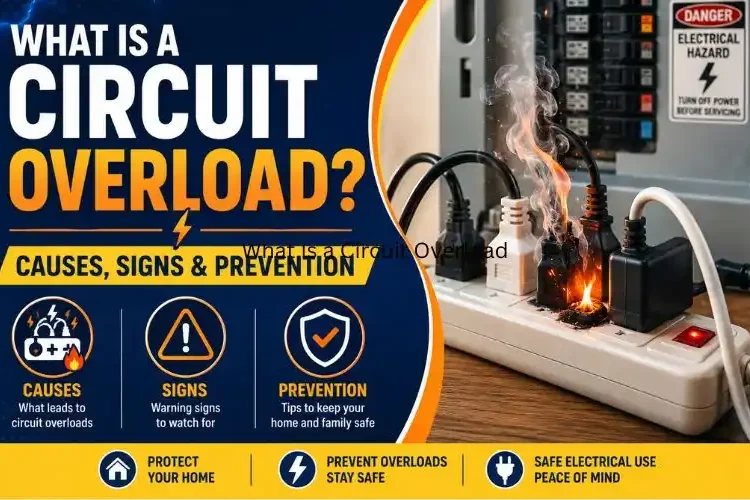
The same goes for overloaded circuits throughout your home. If you’re noticing frequent trips, read our guide on what a circuit overload actually is. Small upgrades often reveal bigger opportunities for improvement.
And if you’re comparing panel capacity for a larger renovation, our 100-amp vs. 200-amp panel comparison can help guide that decision.
Frequently Asked Questions
Are tamper-resistant outlets required by law? Yes, in most new construction and renovations since 2008. Local code amendments may expand these requirements further.
Can I replace my own outlets with tamper-resistant ones? It’s not recommended without electrical experience. Incorrect wiring can create serious shock or fire hazards.
Do tamper-resistant outlets cost much more than standard ones? The difference is small, especially during new construction. The safety benefit far outweighs the minor cost increase.
Will a tamper-resistant outlet work with all my devices? Yes, standard two- or three-prong plugs work normally. Only single-object insertion gets blocked by the shutters.
How do I know if my outlets are already tamper-resistant? Look for “TR” markings printed directly on the faceplate. If you’re unsure, a quick inspection can confirm it.
Should commercial properties install these too? Many should, especially daycares, clinics, and multi-family buildings. A licensed electrician can confirm your specific requirements.
Final Thoughts
Tamper-resistant outlets solve a real, everyday safety risk. They work quietly, without requiring daily effort from anyone. That makes them one of the most practical upgrades available.
Whether you’re renovating a home or managing a commercial property, consider this upgrade. It’s affordable, code-compliant, and genuinely protective for everyone involved.
If you’re unsure about your current outlets, reach out to us. Solid Power Inc proudly serves homes and businesses across Hialeah. We’ll help you build a safer, more reliable electrical system today.

Author