A tripped breaker feels like a small annoyance at first. But it’s often your electrical system asking for help. That’s usually a sign of a circuit overload. And ignoring it can lead to serious safety problems.
At Solid Power Inc, we’ve serviced homes and businesses across Hialeah for years. Circuit overloads are one of the most common issues we see. This guide breaks down exactly what’s happening and why.
What Is a Circuit Overload?
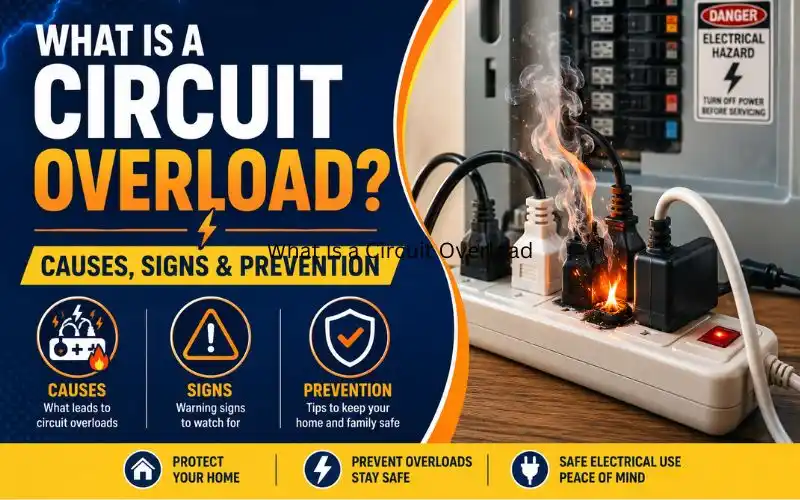
A circuit overload happens when demand exceeds a circuit’s safe capacity. Every circuit is rated to carry a specific amount of current. That rating is measured in amps, based on wire size. When you exceed that limit, the circuit can’t keep up.
Think of a circuit like a highway with a set lane limit. Add too many cars, and traffic backs up fast. Add too much current, and heat builds up instead. That heat is where the real danger begins.
Your breaker exists to stop this exact problem. It trips and cuts power before things get dangerous. A tripping breaker isn’t a nuisance; it’s protection working correctly. If your circuit breaker keeps tripping, don’t just reset it repeatedly. That pattern almost always points to an underlying overload issue.
Overload vs. Short Circuit vs. Ground Fault
These terms get mixed up often, but they’re different. Understanding the difference helps you explain the problem clearly.
Overload happens gradually, from too much demand over time. Too many devices draw more current than the circuit allows.
A short circuit happens instantly when wires touch each other unexpectedly. This creates a sudden, very high current surge.
Ground fault happens when current escapes to a grounded surface. This is common near water, moisture, or damaged insulation.
All three can trip a breaker, but overloads are the most common. They’re also the easiest to prevent with the right habits.
Feature | Overload | Short Circuit | Ground Fault |
Cause | Too many devices on one circuit | Hot wire touches neutral or another wire | Current leaks to the ground |
How It Happens | Gradually | Instantly | Through water, metal, or damaged insulation |
Risk | Overheating and fire | Fire and equipment damage | Electric shock |
Breaker Action | Trips after too much current | Trips immediately | GFCI or breaker trips |
Prevention | Avoid overloading outlets | Repair damaged wiring | Use GFCI outlets and fix insulation |
Common Causes of Circuit Overload
Understanding the “why” helps you avoid repeating problems. Here are the most common causes we see on service calls.
- Too Many Devices on One Circuit Plugging multiple high-draw devices into one circuit adds up fast. Think space heaters, microwaves, hair dryers, and window AC units. Each device pulls its own share of current. Combined, they can easily exceed the circuit’s rating.
- Outdated Wiring or Undersized Circuits Older Hialeah homes weren’t built for today’s power demands. Many still run on wiring sized for a different era. That wiring simply can’t handle modern appliance loads safely.
- Daisy-Chained Extension Cords and Power Strips. Extension cords are meant for temporary use only. Using them permanently adds hidden strain to one circuit. Power strips can multiply that risk even further.
- Aging or Weak Circuit Breakers: Breakers wear out after years of regular use. A worn breaker may fail to trip when it should. That failure allows dangerous overloads to continue unnoticed.
- High-Draw Appliances Added Without Upgrades EV chargers, hot tubs, and new HVAC systems draw serious power. Adding them without upgrading your panel strains the whole system. This is one of the fastest ways to trigger overloads.
- Undersized Electrical Panels Some homes still run on outdated, low-capacity panels. These panels simply can’t support modern electrical demand. If you’re unsure whether yours qualifies, check if your home requires an electrical panel upgrade for clear signs.
Warning Signs of an Overloaded Circuit
You don’t need training to catch these red flags early. Watch for these signs at home or at work.
- Breakers that trip often, especially under normal use
- Lights that flicker or dim when appliances turn on
- Outlets or switch plates that feel warm to the touch
- A soft buzzing or crackling sound near outlets
- A faint burning smell near switches or receptacles
- Visible discoloration or scorch marks around outlets
- Mild tingling or shocks when touching appliances
If you notice even one of these signs, act quickly. These symptoms rarely improve on their own over time. They typically get worse, not better, without intervention.
Why Circuit Overloads Are Dangerous
Overloaded circuits generate excess heat inside wires and connections. That heat has nowhere safe to escape over time. Left unaddressed, it can melt insulation and damage wiring. In worst cases, it can spark an electrical fire.
According to the Electrical Safety Foundation International, electrical failures remain a leading cause of home fires nationwide. The National Fire Protection Association also notes that overloaded circuits and outlets contribute significantly to these incidents. This risk is real, and it’s completely preventable.
Beyond fire risk, overloads also damage your appliances. Voltage drops from overloading can shorten equipment lifespan. Repeated stress adds up to costly repairs down the road.
Residential vs. Commercial Circuit Overloads
Homeowners and business owners face this issue differently.
For homeowners, overloads usually stem from everyday appliance use. Kitchens, laundry rooms, and home offices are common trouble spots. A residential electrician can map out your home’s actual load needs.
For commercial properties, the stakes are higher and more complex. Multiple tenants, equipment, and systems share the same power supply. One overloaded circuit can disrupt operations for an entire business. A commercial electrician can assess larger, more demanding electrical systems safely.
Both property types benefit from proactive load planning. Waiting for a failure always costs more than prevention.
How to Prevent Circuit Overloads
Prevention comes down to smart habits and the right infrastructure. Here’s what actually works long-term.
Spread Out High-Draw Appliances. Avoid running multiple heavy appliances on one circuit. Distribute microwaves, heaters, and AC units across different circuits. This simple habit reduces strain significantly.
Avoid Permanent Extension Cord Use. Use extension cords for short-term needs only. For anything permanent, install a proper outlet instead. It’s a small cost that prevents a bigger problem.
Know Your Panel’s Capacity. Many Hialeah homes still run on 100-amp service. That may not be enough for today’s electrical needs. Comparing your 100-amp vs. 200-amp panel options helps you decide what fits your home.
Schedule Regular Electrical Inspections. Routine inspections catch small issues before they escalate. This is especially important for homes over 20 years old. Commercial properties should follow even more frequent inspection schedules.
Upgrade Aging Panels and Breakers. If your panel struggles to keep up, it’s time to upgrade. A proper electrical panel upgrade or replacement solves the root problem for good. Modern panels handle today’s demand safely and efficiently.
Repair Faulty Breakers Promptly. Sometimes, the panel is fine, but one breaker isn’t. In that case, professional circuit breaker repair fixes the issue directly. This is often faster and more affordable than a full replacement.
What to Do If You Suspect an Overload Right Now
If you notice warning signs today, take these steps immediately.
- Unplug or turn off devices on the affected circuit.
- Avoid resetting the breaker repeatedly without inspection.
- Don’t touch warm outlets or switch plates directly.
- Call a licensed electrician for a full assessment.
Never ignore a breaker that trips more than once. Repeated trips are your system’s clearest warning sign.
Frequently Asked Questions
Is it normal for a breaker to trip occasionally? Occasional trips can happen with heavy seasonal appliance use. Frequent or repeated trips are not normal, though. That pattern signals a real underlying problem.
Can a circuit overload happen without tripping the breaker? Yes, especially with a worn or faulty breaker. That’s actually more dangerous than a properly functioning trip. It allows overheating to continue undetected.
How many amps can a standard household circuit handle? Most household circuits are rated for 15 or 20 amps. Larger appliances often require their own dedicated circuit entirely.
Will a circuit overload damage my appliances? Yes, repeated overloads stress appliance motors and components. This can shorten their lifespan and cause premature failure.
Do commercial buildings overload circuits differently than homes? Yes, commercial systems handle far more simultaneous demand. Multiple tenants, equipment, and systems increase overload risk significantly.
When should I call an electrician instead of resetting the breaker? Call an electrician if a breaker trips more than once. Also call if you notice heat, smells, or buzzing sounds.
Final Thoughts
A circuit overload rarely announces itself with a dramatic failure. It builds quietly, through heat, strain, and repeated warning signs. Recognizing those signs early keeps your property safe.
Whether you own a home or manage a commercial space, don’t wait. A proactive inspection today prevents a costly emergency tomorrow. Solid Power Inc is here to help Hialeah stay powered safely.
If you’re noticing frequent trips or warm outlets, reach out. A licensed electrician can pinpoint the cause quickly. That single call protects your property, your equipment, and your peace of mind.

Author